
Blogging Career Strategy Planner
Your Profile Setup
Quick Reference Guide
Build direct reader relationships. Ad-free newsletters command premium rates.
E-books, courses, templates leverage existing audience for higher margins.
Patreon/Circle creates loyal recurring revenue based on community value.
Your Personalized Strategy Plan
The landscape of online publishing has shifted dramatically. With the rise of large language models and automated content farms, many writers wonder if their craft is becoming obsolete. The short answer is no, but the definition of a successful blogging career has evolved from simple volume-based writing to high-trust personal branding.
The Death of Generic Content
In 2024 and 2025, search engines underwent significant updates designed to filter out low-effort, mass-produced articles. This was not just a rumor; it was a structural change in how algorithms value information. If your strategy for building a career involved writing ten generic "listicle" posts a week about trending topics without adding unique insight, that model is broken. Search engines now prioritize "Experience, Expertise, Authoritativeness, and Trustworthiness" (E-E-A-T). This means they favor content created by humans with genuine experience over text generated by machines.
The future of blogging does not lie in competing with artificial intelligence on speed or volume. It lies in competing on authenticity. Readers are increasingly skeptical of content that feels sterile or overly optimized for keywords. They crave connection, nuance, and a distinct voice. A career in blogging today requires you to be more than a writer; you must be a curator, a commentator, and a community builder.
From Blogger to Independent Publisher
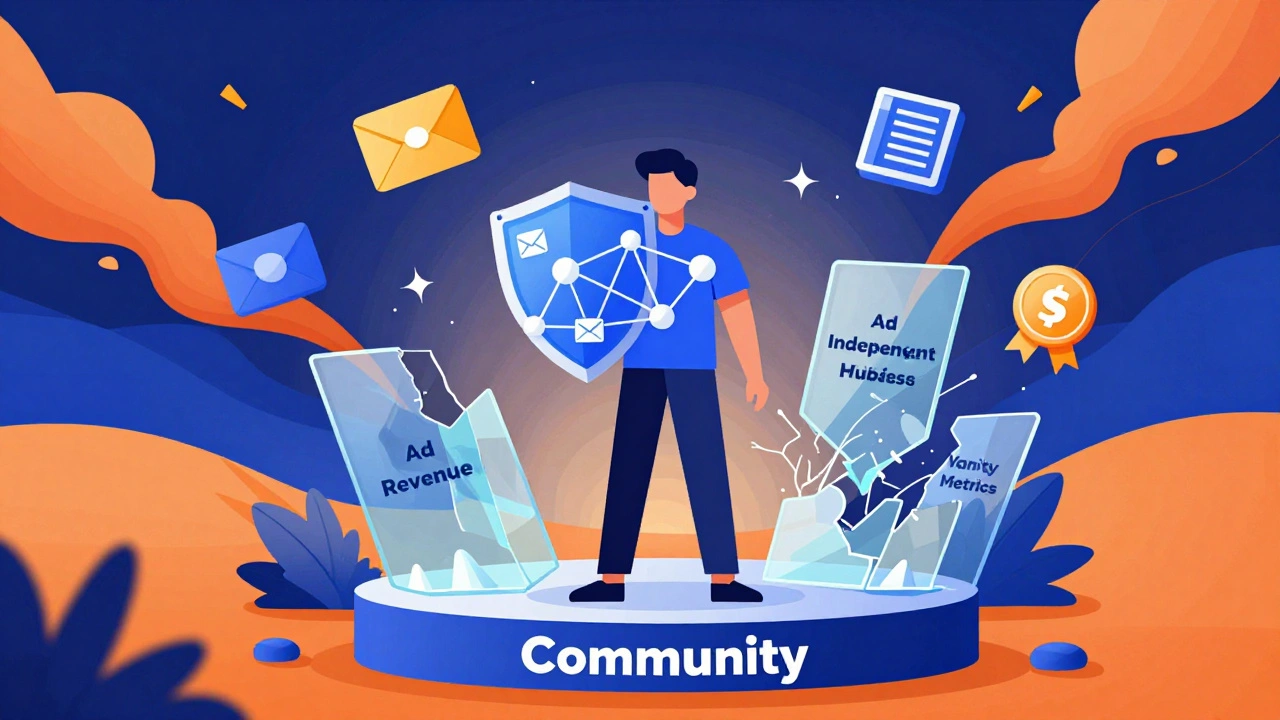
The term "blogger" carries baggage from the early 2010s era of ad-supported, affiliate-heavy websites. The modern equivalent is the "independent publisher" or "creator." This shift is crucial for understanding the financial viability of this career path. Instead of relying solely on display ads, which pay fractions of a cent per view, successful creators diversify their income streams.
- Newsletter Sponsorships: Platforms like Substack and Beehiiv have allowed writers to build direct relationships with readers. Ad-free newsletters often command higher rates because the audience is engaged and opted-in.
- Digital Products: Writers who establish authority can sell e-books, courses, or templates. This leverages their existing audience for higher-margin revenue.
- Community Membership: Offering exclusive access via Patreon or Circle creates recurring revenue based on loyalty rather than traffic spikes.
This model is sustainable because it decouples income from algorithm changes. If a search engine update drops your website traffic, your email list remains intact. This resilience is what defines a viable career in 2026.
The Role of Artificial Intelligence
Artificial intelligence is not replacing bloggers; it is replacing bad bloggers. For those willing to adapt, AI serves as a powerful assistant. It can help outline articles, research data points, and edit for clarity. However, the core value proposition-the unique perspective, the personal anecdote, the critical analysis-must come from the human.
Consider the difference between a recipe blog generated by an AI and one written by a chef who explains why a specific technique works. The AI can provide instructions, but it cannot convey the sensory experience or troubleshoot common mistakes based on real-world failure. In niche topics like finance, health, or technology, accuracy and accountability are paramount. Readers trust humans who stand behind their claims with their reputation.
Niche Authority vs. Broad Appeal
The era of the generalist lifestyle blog is largely over. Building a career around broad topics like "travel" or "food" is incredibly difficult due to saturation. Success in 2026 comes from deep specialization. Think of it as going deeper into a well rather than digging a wider hole.
For example, instead of writing about "digital marketing," a successful blogger might focus exclusively on "email automation strategies for SaaS startups." This specificity attracts a highly targeted audience that values expert advice. These readers are more likely to engage, share, and purchase related services. Niche authority builds trust faster, and trust converts better.
Monetization Strategies That Work
To make blogging a full-time career, you need a diversified monetization plan. Relying on a single source of income is risky. Here are the most effective strategies currently employed by successful independent publishers:
| Strategy | Effort Level | Scalability | Best For |
|---|---|---|---|
| Display Ads | Low | High | Traffic-heavy sites |
| Affiliate Marketing | Medium | Medium | Review-focused niches |
| Sponsored Content | High | Low | Established brands |
| Digital Products | Very High | Very High | Experts with audiences |
| Membership/Subscriptions | Medium | High | Community-driven creators |
Notice that the highest scalability often correlates with the highest initial effort. Creating a comprehensive course takes time, but once built, it can generate passive income indefinitely. Conversely, sponsored content requires constant outreach and relationship management. Most successful bloggers combine several of these methods to balance stability and growth.

Building a Personal Brand
Your name is your biggest asset. In a world flooded with anonymous content, a recognizable face and voice stand out. Social media platforms, particularly X (formerly Twitter) and LinkedIn, serve as distribution channels for your blog content. They allow you to engage directly with readers and industry peers.
Consistency is key. Posting regularly, engaging in conversations, and sharing your thought process helps build a loyal following. People follow people, not just websites. When readers feel connected to you personally, they are more forgiving of occasional errors and more eager to support your work financially.
Challenges and Pitfalls
Despite the opportunities, there are significant challenges. Burnout is common among independent creators who juggle writing, editing, marketing, and customer service. Setting boundaries and automating where possible is essential. Additionally, the market is competitive. Standing out requires continuous learning and adaptation to new trends and technologies.
Another pitfall is chasing vanity metrics. High page views do not necessarily translate to income. Focus on engagement metrics like time on page, comments, and email sign-ups. These indicate that your content resonates with your audience and has the potential to convert into revenue.
The Path Forward
Careers in blogging absolutely have a future, but they require a shift in mindset. You are not just producing content; you are building a business centered around your expertise and personality. Embrace tools like AI to enhance efficiency, but never compromise on quality and authenticity. Specialize deeply, diversify your income, and prioritize building genuine connections with your audience. The future belongs to those who offer value that machines cannot replicate: human insight, empathy, and trust.
Can I still make money blogging in 2026?
Yes, but the methods have changed. Traditional ad revenue is less reliable. Successful bloggers now focus on newsletters, digital products, sponsorships, and community memberships to create sustainable income streams.
Is AI replacing human bloggers?
AI is replacing low-quality, generic content. Human bloggers who provide unique insights, personal experiences, and authoritative expertise remain valuable. AI should be used as a tool to assist, not replace, human creativity.
What is the best niche for starting a blog in 2026?
There is no single "best" niche. Success comes from choosing a topic you are passionate about and knowledgeable in, then narrowing it down to a specific sub-niche. Examples include specialized tech reviews, niche travel guides, or professional development for specific industries.
How long does it take to make a living from blogging?
It varies widely depending on the niche, consistency, and monetization strategy. Most experts suggest committing at least 6-12 months before expecting significant income. Building an audience and trust takes time.
Do I need a large social media following to start a blog?
No. While social media can help with promotion, SEO and email marketing are more critical for long-term success. You can build an audience through search traffic and word-of-mouth without a massive social media presence.