Hosting Cost Estimator for Indian Users
Configuration
Adjust parameters to see how costs accumulate.
You sign up for a website. You see a price tag that looks like a typo: ₹59 per month or even less. It feels like a steal. You click "Buy Now" with a smile on your face, thinking you’ve found the best deal in web hosting the service that stores your website files and makes them accessible on the internet. Then, six months later, your credit card statement arrives. The bill is four times what you expected. What happened? Did they scam you? Not exactly. They used a pricing strategy so common it’s almost invisible until you’re already trapped.
If you are looking at GoDaddy a leading domain registrar and web hosting company founded in 1997 for your next project, especially if you are based in India where every rupee counts, you need to understand the mechanics behind those sticker shocks. This isn’t just about GoDaddy being greedy; it’s about how the entire hosting industry sells its services. Let’s pull back the curtain on why the initial price is low and the real cost is high.
The Bait-and-Switch Pricing Model
The core reason GoDaddy hosting feels expensive is the difference between the introductory rate and the renewal rate. When you search for hosting deals, you rarely see the renewal price upfront. You see the promo price. For example, a Basic Economy plan might advertise at $2.99/month (roughly ₹250 INR) for the first term. But when that term ends-whether it’s one year, two years, or three years-the price jumps to the standard rate, which could be $11.99/month or higher.
This model relies on inertia. Most people forget to cancel before their auto-renewal date hits. By the time they notice the spike, they have already been charged for another year at the premium rate. In the Indian market, where users are highly price-sensitive, this gap between the advertised price and the actual long-term cost creates significant frustration. You aren’t paying for better service after the first year; you are paying for the convenience of forgetting to switch providers.
Hidden Fees That Add Up Fast
Beyond the base hosting fee, there are several ancillary costs that inflate the final bill. These are often optional but presented as necessary during checkout.
- Domain Registration: GoDaddy is primarily a domain registrar. Their domain prices for .com domains are competitive initially but renew at a higher rate than competitors like Namecheap or Cloudflare. If you bundle your domain with hosting, you lose the ability to shop around for cheaper domain renewals elsewhere.
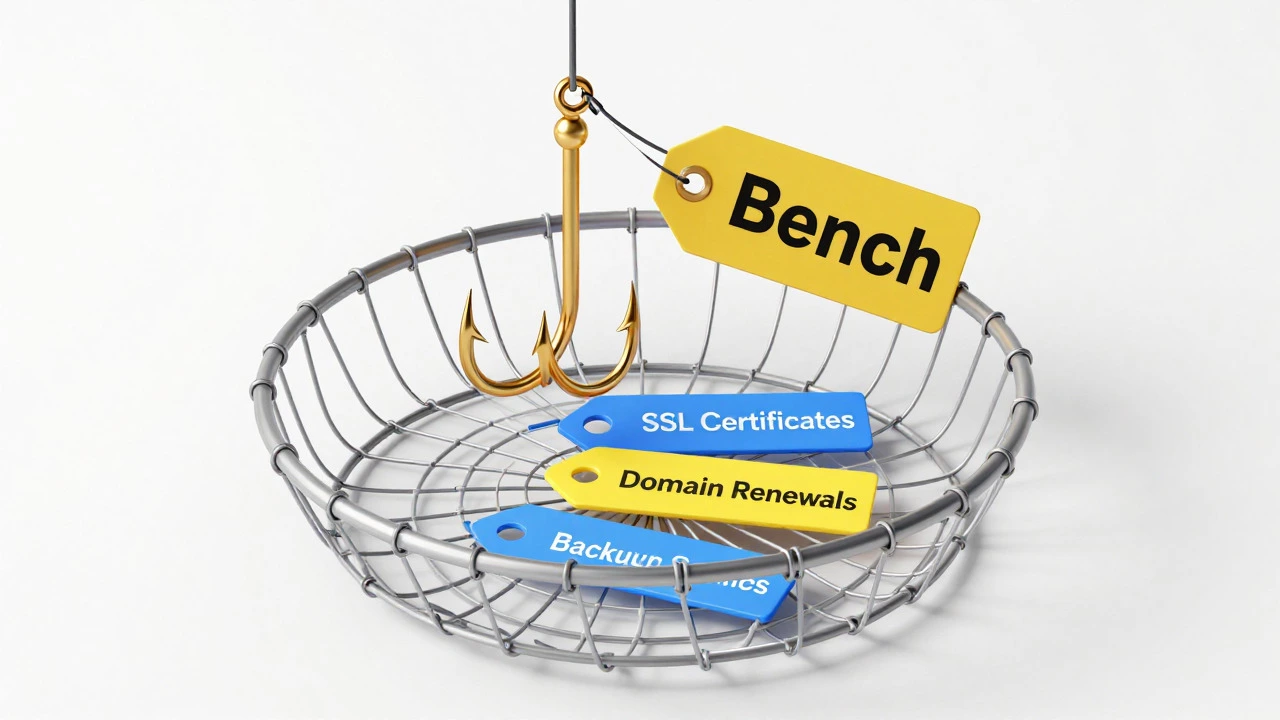
- SSL Certificates: While basic SSLs are now free via Let’s Encrypt, GoDaddy often pushes paid wildcard or extended validation SSL certificates during setup. A single paid SSL can add ₹3,000-₹10,000 annually to your bill.
- Email Hosting: Many shared hosting plans do not include professional email accounts by default, or they limit storage severely. Adding Microsoft 365 integration or extra email boxes comes at an additional monthly fee.
- Backup Services: Automated daily backups are sometimes sold as an add-on rather than included in the base plan. Losing data because you didn’t pay for the backup add-on is a risk many new site owners take until it’s too late.
When you add these up, the "cheap" hosting plan suddenly becomes a mid-range priced package with fragmented features. For a small business owner in Mumbai or a blogger in Bangalore, these hidden line items eat into profit margins quickly.
Shared Hosting Limitations
Let’s talk about what you actually get for your money. GoDaddy’s entry-level plans are typically shared hosting a type of web hosting where multiple websites share the same server resources. In shared hosting, your website lives on a server with hundreds, sometimes thousands, of other sites. If one neighbor’s site gets a traffic spike or suffers a security breach, your site slows down too.
GoDaddy’s shared servers are known for being densely packed. To keep costs low (and profits high), they maximize the number of accounts per server. This leads to inconsistent performance. Your site might load instantly on a quiet Tuesday morning but crawl during peak hours. For an e-commerce store selling products to Indian customers, slow load times directly translate to lost sales. Google’s Core Web Vitals update penalizes slow sites, meaning poor hosting performance hurts your SEO rankings.
If you need reliable speed, you eventually have to upgrade to VPS (Virtual Private Server) or dedicated hosting. GoDaddy’s VPS plans start at a much higher price point compared to competitors like DigitalOcean or Linode. This forced upgrade path is another reason the total cost of ownership with GoDaddy remains high.
Comparison: GoDaddy vs. Alternatives for Indian Users
To put GoDaddy’s pricing in perspective, let’s compare it with other popular hosting providers available in India. We will look at the introductory price, the renewal price, and key features.
| Provider | Intro Price (Monthly) | Renewal Price (Monthly) | Data Center Location | Best For |
|---|---|---|---|---|
| GoDaddy | ~$2.99 (₹250) | ~$11.99 (₹1,000) | USA, Europe, Asia (Singapore) | Beginners who want easy setup |
| Hostinger | ~$1.99 (₹170) | ~$3.99 (₹340) | Singapore, Mumbai, Delhi | Budget-conscious users needing local speed |
| Bluehost | ~$2.95 (₹250) | ~$11.99 (₹1,000) | USA, India (Mumbai) | WordPress beginners |
| SiteGround | ~$2.99 (₹250) | ~$17.99 (₹1,500) | Global (including Singapore) | Performance and support quality |
| Cloudways | ~$11.00 (₹900) | Same as Intro | DigitalOcean, AWS, Vultr nodes | Developers needing scalable cloud power |
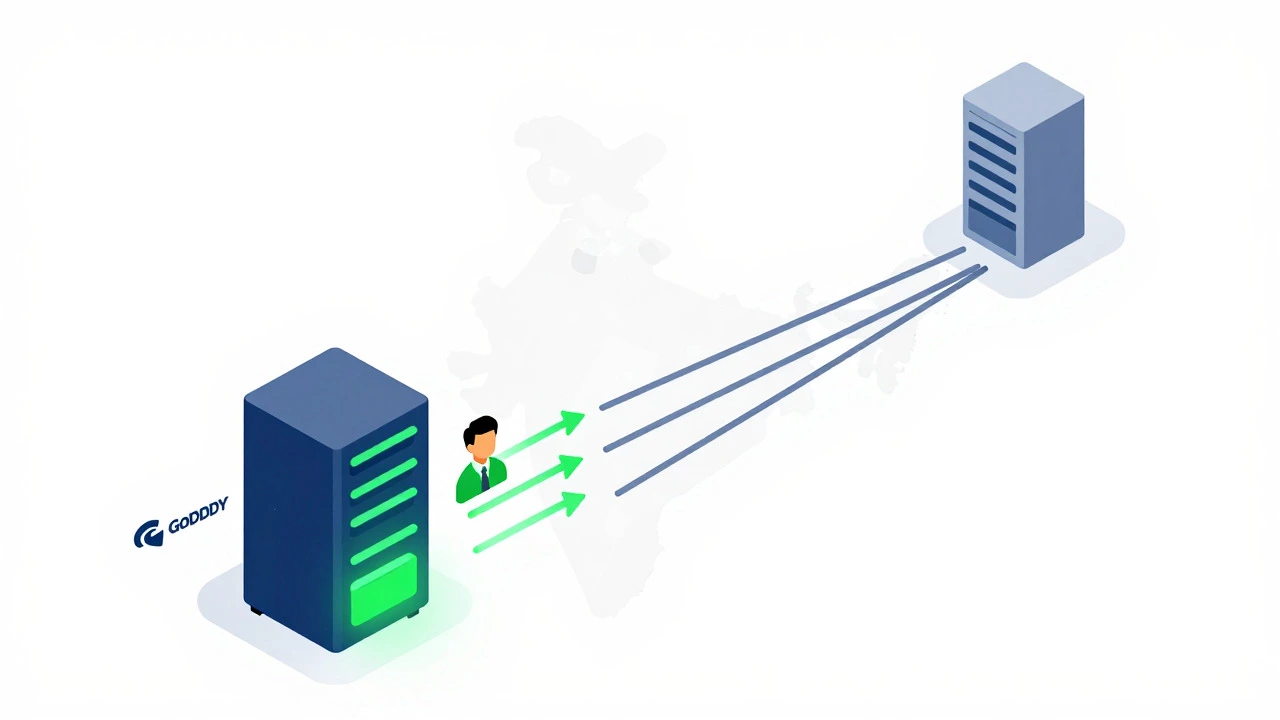
Notice the pattern? Hostinger and Bluehost offer lower renewal rates than GoDaddy. More importantly, Hostinger has data centers in Mumbai and Delhi. This proximity reduces latency for visitors in India, making your site feel faster without needing expensive upgrades. GoDaddy’s nearest major data center to India is often in Singapore, which adds milliseconds to load times-a small difference individually, but significant for SEO and user experience at scale.
Customer Support Costs
Another factor influencing perceived value is customer support. GoDaddy offers 24/7 phone and chat support, which sounds great. However, many users report long wait times and scripted responses that don’t solve technical issues. If you spend hours on hold trying to fix a plugin conflict or a database error, that’s a cost in your time.
In contrast, providers like SiteGround or Cloudways are known for developer-friendly support. They speak your language (literally and technically). For a non-technical user, GoDaddy’s interface is simpler, but for anyone building a serious business, the lack of deep technical assistance means you might need to hire a freelancer to fix problems, adding to your overall expenses.
Is GoDaddy Worth It?
So, is GoDaddy bad? No. It’s a massive company with a robust infrastructure. If you are buying a domain name, GoDaddy is still one of the most convenient places to do it. Their domain management dashboard is intuitive. However, for hosting, the value proposition weakens significantly after the first promotional period.
For Indian users specifically, the combination of higher renewal fees, limited local data center options compared to regional players, and aggressive upselling tactics makes GoDaddy a less attractive option for long-term projects. If you are starting a blog, a portfolio, or a small e-commerce store, consider starting with a provider that offers transparent pricing and local server locations.
How to Avoid Overpaying for Hosting
You don’t have to accept high hosting costs. Here are practical steps to keep your website expenses under control:
- Read the Fine Print: Always look for the "renewal rate" before checking out. Calculate the total cost for three years, not just the first month.
- Use Annual Billing Wisely: Paying annually locks in the lower rate for a longer period, but ensure you set a reminder to review your needs before renewal.
- Separate Domain and Hosting: Register your domain with a registrar that offers low renewal fees (like Namecheap or Cloudflare) and host your site elsewhere. This gives you flexibility to move hosting providers without losing your domain.
- Choose Local Servers: For an Indian audience, pick a host with servers in Mumbai or Delhi. This improves speed and often results in better support coverage for your time zone.
- Start Small, Scale Later: Don’t buy a VPS or dedicated server unless you need it. Start with a basic shared plan from a reputable provider and upgrade only when your traffic demands it.
By understanding the pricing models and comparing alternatives, you can build a professional online presence without breaking the bank. The goal isn’t just to find the cheapest host today, but the most cost-effective partner for your growth tomorrow.
Why is GoDaddy hosting so expensive after the first year?
GoDaddy uses a bait-and-switch pricing model. They offer a heavily discounted introductory rate to attract new customers. Once the initial term (usually 1-3 years) ends, the price reverts to the standard renewal rate, which is significantly higher. This is a common industry practice, but GoDaddy’s renewal rates are among the highest in the shared hosting market.
Is GoDaddy good for hosting websites in India?
GoDaddy is functional, but not optimal for Indian audiences. Their primary data centers are in the US and Europe, with some presence in Singapore. For users in India, this can result in higher latency. Providers like Hostinger or Bluehost offer data centers in Mumbai and Delhi, providing faster load times and better SEO performance for local visitors.
What are the hidden costs of GoDaddy hosting?
Common hidden costs include higher domain renewal fees, paid SSL certificates (when free ones are available), add-ons for automated backups, and fees for professional email hosting. During checkout, GoDaddy often pre-selects these add-ons, increasing the final bill if you don’t uncheck them.
Can I transfer my domain away from GoDaddy?
Yes, you can transfer your domain to another registrar like Namecheap, Cloudflare, or Porkbun. Transferring usually adds a year to your domain registration and allows you to benefit from lower renewal rates at the new provider. Ensure your domain is unlocked and you have the EPP code from GoDaddy before initiating the transfer.
Which hosting provider is cheaper than GoDaddy for beginners?
Hostinger is often cited as a more budget-friendly alternative with lower renewal rates and local data centers in India. Bluehost is also a strong competitor for WordPress users, offering similar introductory prices but generally better long-term value and support. Both provide easier migration tools if you decide to switch later.