Indian Influencer Landscape & Trends 2026
Beauty and influence in India have shifted from traditional glamour to relatable chic. This tool helps you explore top contenders and understand the traits that define modern influencers.
| Name | Niche | Why They Stand Out | Platform Strength |
|---|---|---|---|
| Anushka Sen | Lifestyle & Fashion | Elegant aesthetic, strong brand collaborations | |
| Dolly Singh | Comedy & Lifestyle | Relatable humor, breaking stereotypes | YouTube/Instagram |
| Aisha Ahmed | Fashion & Travel | Global perspective, sophisticated style | |
| Ranveer Allahbadia | Podcast & Wellness | Vulnerability, massive reach | YouTube/Podcast |
| Surbhi Jyoti | Food & Travel | Candid storytelling, authentic reactions | YouTube |
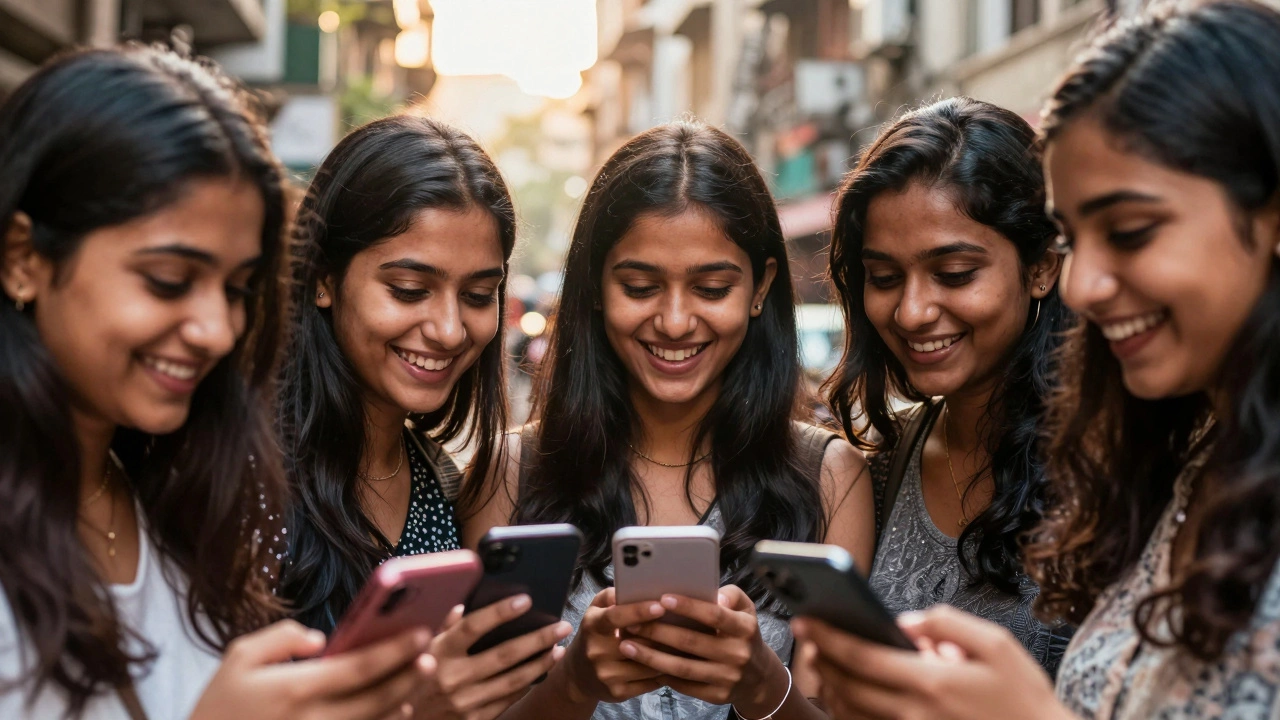
Beauty isn't a math problem you can solve with a single answer. If you ask ten people on the streets of Mumbai or Delhi who the most beautiful influencer in India is, you’ll get ten different names. Some will mention Bollywood stars turned creators, others will point to fitness models, and many will name niche fashion bloggers from smaller cities. The landscape of Indian influencers has shifted dramatically over the last few years. It’s no longer just about perfect symmetry or traditional glamour. Today, it’s about personality, authenticity, and how well a creator connects with their audience.
In 2026, the definition of "most beautiful" includes confidence, style, and relatability. This article breaks down who currently dominates the conversation, why they are considered icons, and what makes them stand out in a crowded digital space.
The Shift: From Traditional Glamour to Relatable Chic
A decade ago, the top influencers were often those who looked like magazine covers. They posted highly curated, airbrushed photos that felt distant and unattainable. That era is largely behind us. Audiences today crave connection. They want to see pores, real laughter, and genuine struggles alongside the highlight reels.
This shift has democratized beauty. You don’t need to be a supermodel to have millions of followers if your content resonates emotionally. Creators who share their skincare routines, discuss mental health, or show behind-the-scenes chaos build deeper loyalty than those who only post polished perfection. The "most beautiful" title now belongs to those who make their followers feel seen and understood.
Top Contenders for the Title in 2026
While subjective, several names consistently rise to the top when discussing influence and aesthetics in India. Here are the key players shaping the narrative right now.
| Name | Niche | Why They Stand Out | Platform Strength |
|---|---|---|---|
| Anushka Sen | Lifestyle & Fashion | Elegant aesthetic, strong brand collaborations | |
| Dolly Singh | Comedy & Lifestyle | Relatable humor, breaking stereotypes | YouTube/Instagram |
| Aisha Ahmed | Fashion & Travel | Global perspective, sophisticated style | |
| Ranveer Allahbadia (BeerBiceps) | Podcast & Wellness | Vulnerability, massive reach, male perspective | YouTube/Podcast |
| Surbhi Jyoti | Food & Travel | Candid storytelling, authentic reactions | YouTube |
Anushka Sen: The Epitome of Elegance
If you scroll through Instagram, Anushka Sen’s feed looks like a high-end editorial. She mastered the art of visual consistency early on. Her content focuses heavily on luxury fashion, travel, and lifestyle. For many brands, she represents the ideal customer aspirational yet accessible. Her beauty is tied to her poise and the way she curates her image. She doesn’t just wear clothes; she tells a story with every outfit.
Dolly Singh: Beauty in Authenticity
Dolly Singh took a different path. She started with comedy sketches that highlighted everyday Indian life. Her appeal lies in her ability to laugh at herself. In a country where social media can sometimes feel pretentious, Dolly brings down walls. People find her beautiful because she feels like a friend. She discusses topics ranging from career challenges to relationships with a candor that rarefies her status.
Aisha Ahmed: Global Style Icon
Aisha Ahmed bridges the gap between Indian roots and global trends. Having lived abroad, she brings a cosmopolitan flair to her content. Her followers look up to her for fashion advice that works in New York as well as Bangalore. Her beauty is defined by her confidence and her ability to adapt styles to different cultures. She represents the modern Indian woman who is globally connected.
The Role of Micro-Influencers
You might not hear these names in mainstream news, but micro-influencers (those with 10k-100k followers) are often perceived as more "beautiful" or attractive by their specific communities. Why? Because they are hyper-local. A beauty blogger from Jaipur focusing on traditional makeup techniques might be the most influential person for someone interested in bridal looks in Rajasthan.
These creators offer niche expertise. They review local products, visit hidden gems in their city, and speak directly to regional preferences. Their engagement rates are often higher than mega-stars because their audience trusts them implicitly. When searching for the "most beautiful," consider looking at who inspires your specific community, not just who has the most likes.
How Algorithms Shape Perception
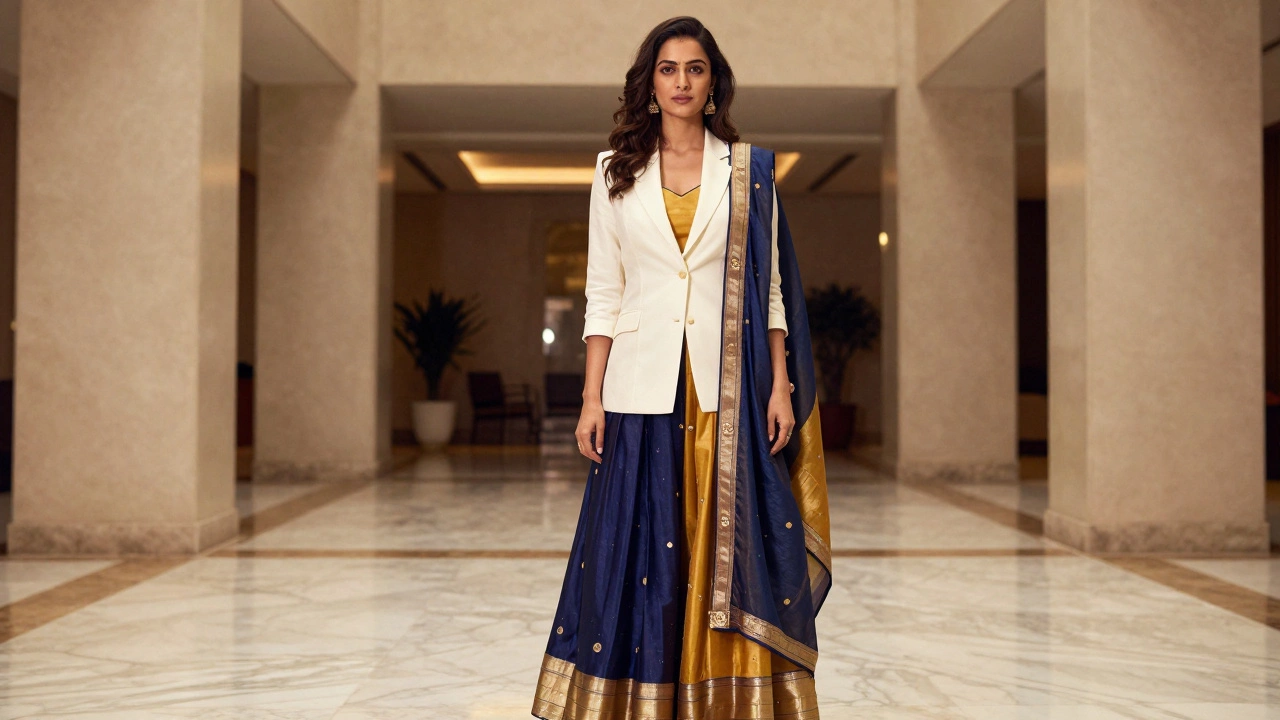
Let’s be honest: algorithms play a huge role in who we see as beautiful. Instagram and YouTube promote content that keeps users engaged. High-quality visuals, trending audio, and controversial opinions get pushed to the top. This creates a feedback loop where certain types of beauty are amplified while others remain hidden.
In 2026, platforms are trying to diversify this. Features like Reels and Shorts allow for quick, dynamic content that showcases personality rather than just static images. This means an influencer with a great sense of humor or unique voice can go viral even if they don’t fit traditional beauty standards. The algorithm rewards watch time and shares, not just pretty pictures.
Controversies and Challenges
Being a top influencer comes with scrutiny. Issues around body shaming, plastic surgery rumors, and sponsored transparency are constant battles. Followers are smarter now. They check captions for #ad tags and read comments to gauge authenticity. Any misstep can lead to a backlash.
Moreover, the pressure to maintain a certain image can take a toll on mental health. Many top creators have spoken openly about anxiety and burnout. This vulnerability actually adds to their appeal. Seeing a successful influencer struggle humanizes them. It shows that beauty and success don’t guarantee happiness, which is a powerful message for young audiences.
What Makes an Influencer "Beautiful" in 2026?
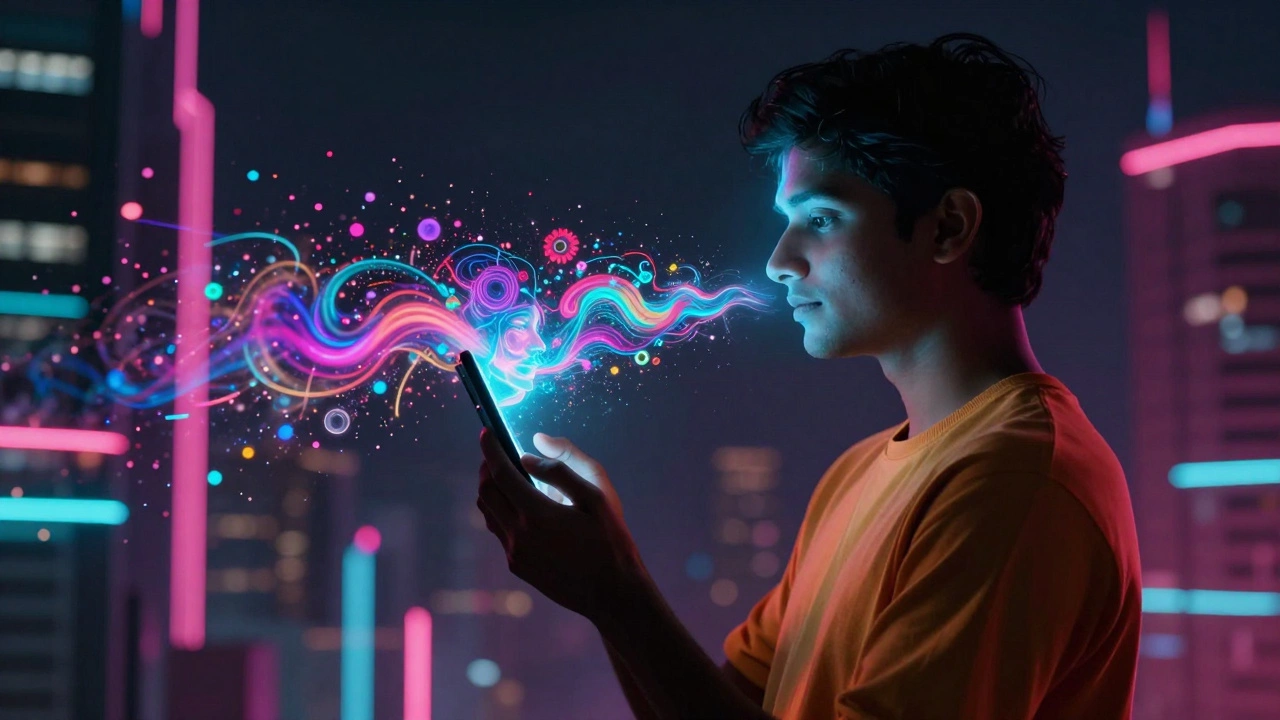
We’ve moved beyond physical attributes. Here are the key traits that define the most admired influencers today:
- Authenticity: Being real, even when it’s messy.
- Consistency: Posting regularly and maintaining a recognizable brand voice.
- Engagement: Replying to comments and building a community, not just an audience.
- Value Addition: Teaching something, entertaining, or inspiring action.
- Visual Quality: Good lighting, editing, and composition still matter.
For example, a skincare influencer who admits to having acne breakouts despite using expensive products is often trusted more than one who claims flawless skin forever. The former provides value through honesty; the latter sells a fantasy.
Regional Diversity in Indian Influencers
India is vast, and beauty standards vary wildly across states. In South India, traditional attire and classical aesthetics hold significant weight. In the North, western fashion and bold makeup trends dominate urban centers. East India has a growing scene of literary and artistic influencers, while West India blends Bollywood glamour with street style.
Ignoring this diversity leads to a skewed view of who is "most beautiful." A creator who celebrates Bengali culture might not resonate with a fan in Kerala, and vice versa. The best influencers acknowledge this. They collaborate across regions, feature diverse faces, and celebrate local traditions. This inclusivity expands their reach and deepens their impact.
The Future: AI and Virtual Influencers
Look ahead to late 2026 and beyond, and you’ll see virtual influencers gaining traction. These are AI-generated characters with perfect features and endless availability. While they offer brands control, they lack soul. Real humans will always have an edge in forming emotional connections. However, hybrid approaches-where real influencers use AI tools for editing or content creation-are becoming standard.
The challenge for human influencers is to stay human. As technology advances, the premium on genuine emotion and shared experience will only increase. Being "beautiful" will mean being unmistakably real in a world of filters.
Who is the number one female influencer in India?
There is no single "number one" as rankings change monthly based on platform metrics. However, names like Anushka Sen, Dolly Singh, and Aisha Ahmed consistently rank at the top for lifestyle and fashion influence due to their high engagement and brand partnerships.
Are Indian influencers mostly focused on beauty?
No. While beauty and fashion are popular niches, there is a massive growth in tech, finance, comedy, and wellness influencers. Creators like Ranveer Allahbadia dominate the podcasting space, showing that intellectual and conversational depth is highly valued.
How do I find niche influencers in my city?
Use location-based hashtags on Instagram and YouTube. Search for terms like "#MumbaiFoodie" or "#DelhiFashion." Look for accounts with 10k-50k followers who post regularly about local spots. Check their comment section for genuine interaction from locals.
Does follower count determine beauty?
Not at all. Follower count measures reach, not attractiveness. Engagement rate (likes, comments, shares relative to followers) is a better indicator of influence. A micro-influencer with 50k loyal fans often has more impact than a macro-influencer with 5 million passive viewers.
What is the role of men in the Indian influencer space?
Men are increasingly prominent, especially in fitness, tech, and comedy. Figures like BeerBiceps have shown that male influencers can drive significant conversations around mental health and entrepreneurship, expanding the definition of influence beyond traditional gender roles.