
Niche Problem Calculator
Find out if your blog idea targets a specific problem that people are actively searching for. Enter your broad topic below to get analysis.
Not all blogs are created equal. Some make $50 a month. Others bring in $50,000. The difference isn’t luck. It’s type. If you’re asking what the most successful type of blog is, the answer isn’t about fancy themes, viral posts, or posting every day. It’s about problem-solving.
The Real Winner: Niche Problem-Solving Blogs
The most successful blogs in 2026 don’t chase trends. They solve specific, painful problems for a small group of people who are actively looking for answers. Think less "travel tips" and more "how to fix a leaky roof on a 1987 Airstream trailer without calling a pro". That’s the kind of blog that turns readers into loyal customers.
These blogs thrive because they tap into intent. People searching for solutions are ready to buy, hire, or act. They’re not just browsing. They’re in need. And when your blog gives them a clear, step-by-step fix - especially with photos, videos, or downloadable checklists - they trust you. That trust becomes revenue.
Take a blog like "FixMyGardenTools.com". It doesn’t talk about flowers or landscaping. It shows how to sharpen rusty pruners, replace broken springs on hedge trimmers, and rebuild old lawnmower carburetors. It has 12,000 monthly visitors. 8% of them buy the $27 repair kit the blog sells. That’s over $25,000 a year from one niche. No ads. No affiliate links. Just a focused solution.
Why Other Blog Types Fall Short
Let’s be honest: most blogs fail because they’re too broad.
Personal blogs? Great for journaling. Terrible for making money. Unless you’re a celebrity, no one’s searching for your lunch photos.
News blogs? Overcrowded. By the time you publish, someone else already broke the story. And readers don’t stick around - they just want the headline.
Entertainment blogs? Fun to write. Hard to monetize. People binge a funny video, then move on. There’s no lasting value, no repeat traffic, no built-in audience ready to spend.
Even "how-to" blogs that are too general - like "how to lose weight" or "how to save money" - drown in competition. There are thousands of them. Google picks the big players. New blogs? They don’t rank. They don’t get seen.
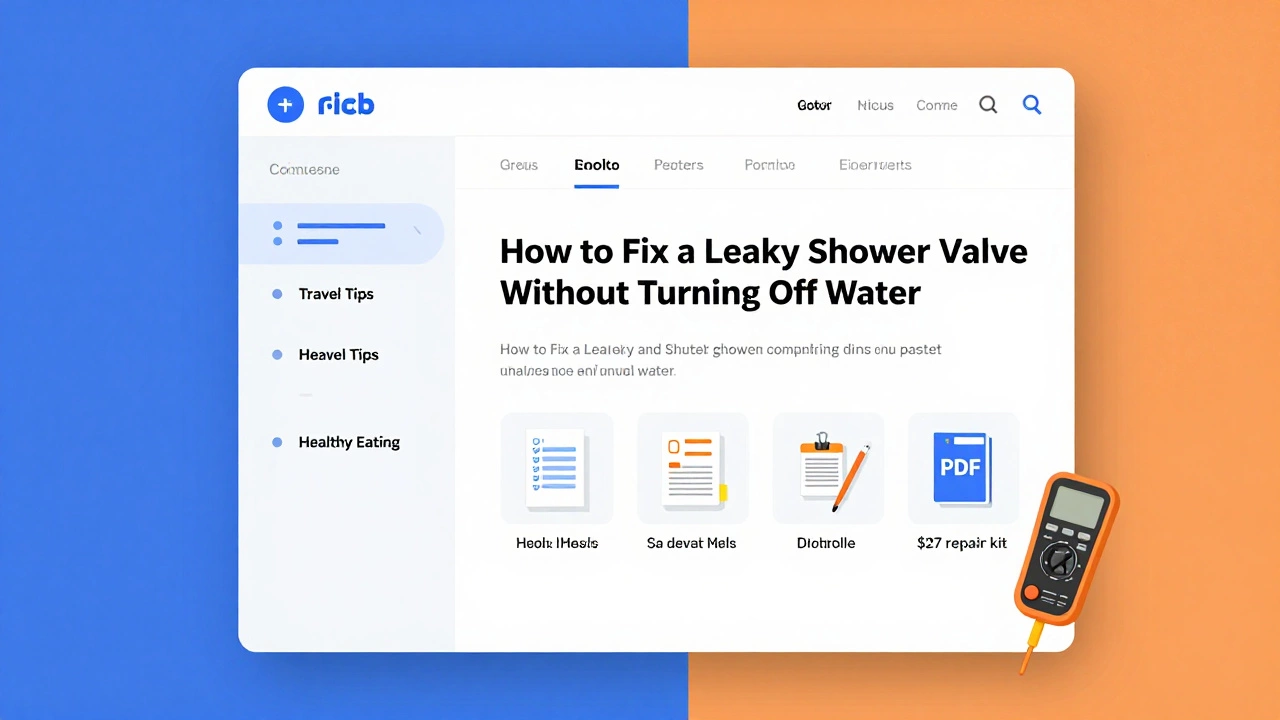
But a blog like "How to Fix a Leaky Shower Valve Without Turning Off the Whole House Water Supply"? That’s unique. That’s specific. That’s the kind of post that ranks because it answers a question no one else is answering well.
How to Find Your Niche Problem
You don’t need to be an expert. You just need to be one step ahead of someone who’s struggling.
Start here:
- Look at forums like Reddit, Quora, or Facebook groups in your area of interest. What questions keep popping up? What’s causing frustration?
- Use free tools like AnswerThePublic or Google’s "People also ask" section. Type in broad terms - "garden tools", "home repair", "pet care" - and see what specific questions come up.
- Filter for problems that require action. "Why does my cat meow at night?" is interesting. "How to stop a cat from scratching the couch without yelling" is actionable. That’s your gold.
- Check if people are spending money to solve it. Search Amazon or Etsy for related products. If there are dozens of repair kits, guides, or tools being sold, that’s a sign people are willing to pay.
One blogger found that people in rural areas kept asking how to fix their well pumps without calling an expensive technician. She started a blog with step-by-step videos using a $30 multimeter. Within six months, she was selling her own diagnostic checklist PDF for $15. She made $18,000 that year - from a problem no one else was covering.
The Platform Doesn’t Matter - The Focus Does
You don’t need WordPress. You don’t need Squarespace. You don’t even need a fancy domain.
A friend of mine runs a blog on Medium about fixing broken ceramic tile in older homes. He uses free images from Unsplash, writes in plain text, and links to his $9 PDF guide at the end. He gets 20,000 views a month. His guide sells 300 copies a month. He didn’t spend a dollar on hosting.
The platform is just a delivery system. What matters is whether your content solves a real, specific problem. If it does, people will find you - even if you’re on a free platform.
But if you’re starting fresh, WordPress.org (self-hosted) still wins for control and monetization. It lets you install plugins for email capture, affiliate links, and digital product sales. It’s not magic. It’s just flexible.
How Successful Blogs Make Money
Problem-solving blogs make money in four ways:
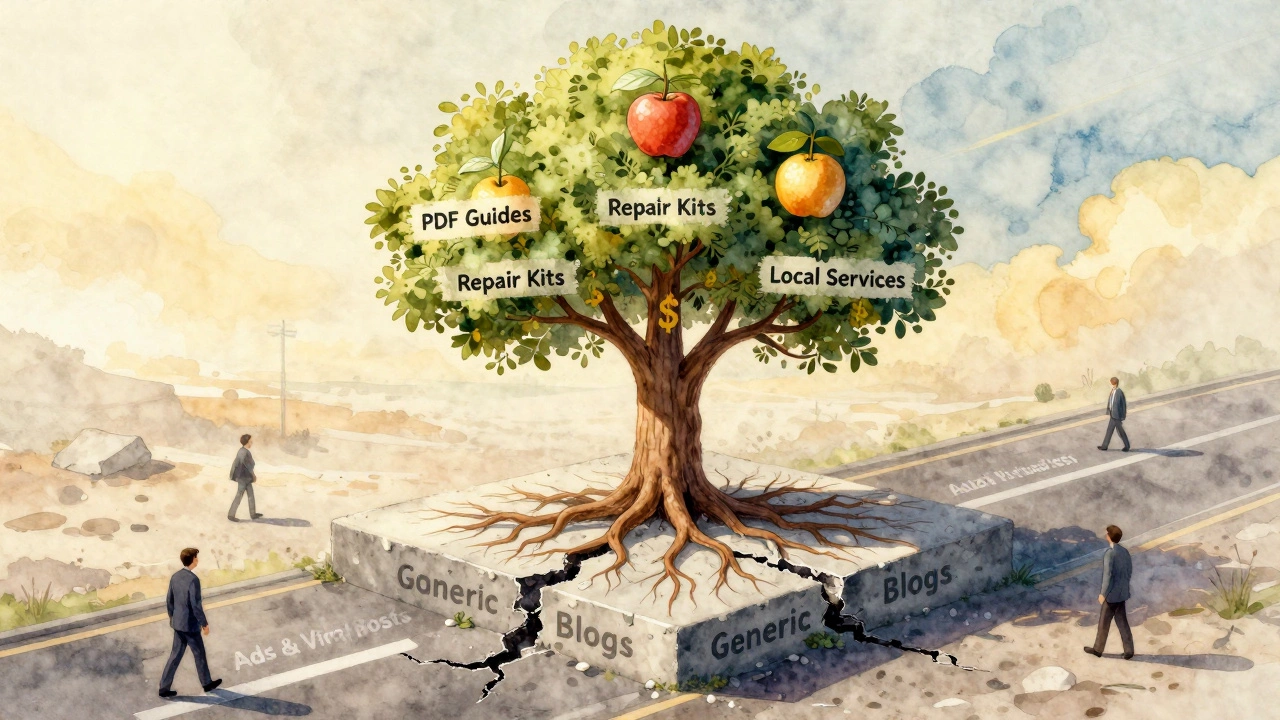
- Digital products: PDF guides, checklists, templates, video tutorials. Low cost to create. High margin. One blogger sells a "Fix Your Backyard Irrigation" guide for $29. He’s sold 1,200 copies.
- Specialized affiliate products: Not Amazon general stuff. Think tools, replacement parts, or niche software. Example: a blog about fixing vintage cameras links to specific lens cleaners and shutter repair kits.
- Local services: If you teach people how to fix their own sprinkler system, you can offer to do it for them in your city. One blog in Ohio doubled its service bookings just by publishing detailed repair tutorials.
- Membership or community: Once you’ve built trust, people will pay for ongoing help. A $10/month Slack group for DIY home repair enthusiasts? That’s real revenue.
Ads? Rarely worth it. You need traffic in the millions to make decent money from display ads. Problem-solving blogs rarely get that - but they don’t need to.
What to Avoid
Don’t try to be everything to everyone. Don’t write about "fitness", write about "how to strengthen your knees for hiking after 50". Don’t write about "cooking", write about "how to make one-pot meals for two people on a $50 weekly budget".
Don’t chase SEO tricks. Don’t stuff keywords. Don’t write 2,000-word fluff pieces. People searching for fixes want clarity, not a textbook.
And don’t ignore consistency. One post a week, every week, for six months, beats ten posts in one month and then silence. Google rewards reliability. Readers reward trust.
The Bottom Line
The most successful blog in 2026 isn’t the one with the most views. It’s the one that solves a problem so well that people keep coming back - and happily pay for it.
Find a small, frustrated group. Give them a clear, simple fix. Do it better than anyone else. Repeat. That’s how you build a blog that lasts - and makes money.
You don’t need to be the loudest voice online. You just need to be the most helpful one for the right people.