Blog Success Calculator
Blog Success Factors
How authentic, consistent, and engaging is your blog?
Your Blog Success Score
Based on Justin Hall's principles from the article
Key Tips for Your Blog:
- Write about what you actually care about
- Don't wait for perfect grammar - start now
- Link to things you love
- Reply to comments, even if just one person
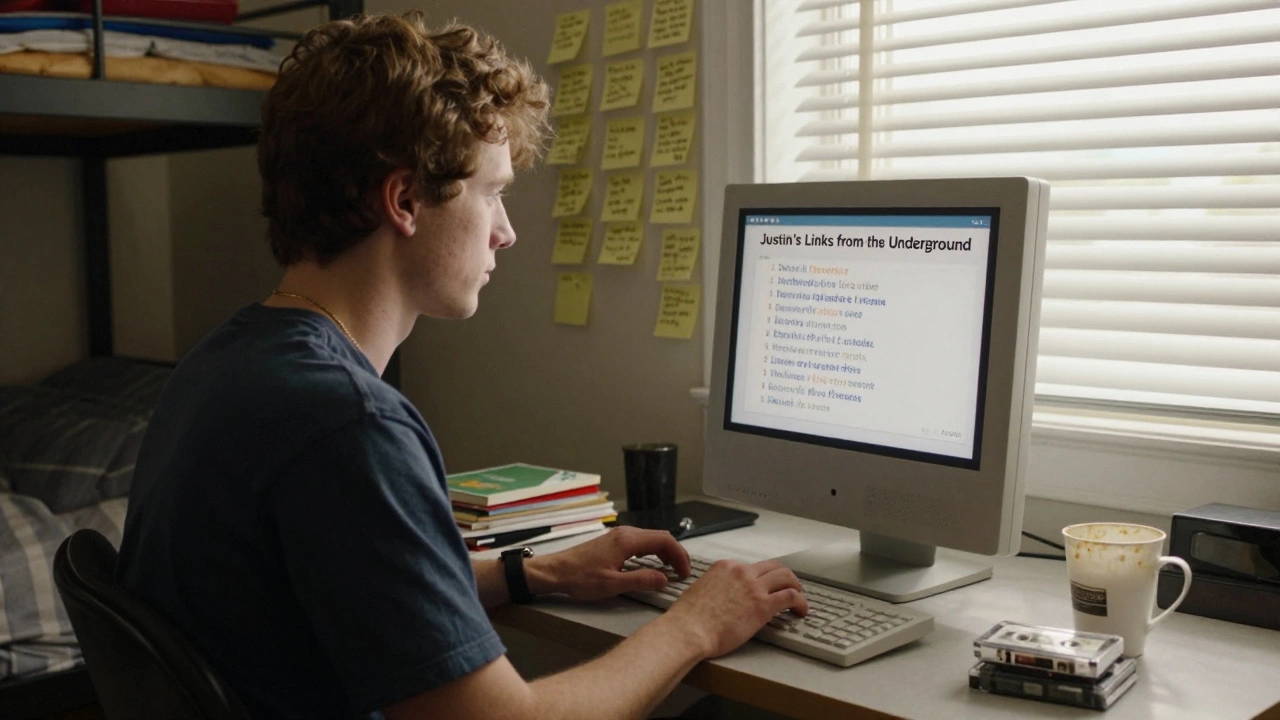
Who is the father of blogging? The answer isn’t a single name you’ll find in a textbook. But if you trace the roots of what we now call blogging, one name stands out: Justin Hall. In 1994, while still a student at Swarthmore College, he started Justin’s Links from the Underground-a personal journal posted online, updated regularly, and linked to other sites. It wasn’t called a blog back then. No one used the word. But it had all the hallmarks: raw thoughts, daily updates, personal stories, and hyperlinks. That’s the real beginning.
What Made Justin Hall’s Site Different?
Before Hall, people posted things online-diaries, lists, technical notes. But Hall didn’t just share facts. He shared his life. He wrote about his crushes, his awkward college moments, his travel mishaps, and even his struggles with mental health. He linked to other websites he liked, creating a web of personal connections. People started reading. They commented. They emailed him. It became a conversation.
That’s the core of blogging: personal voice + public platform + reader interaction. Hall didn’t invent the internet. He didn’t invent hyperlinks. But he was the first to use them to build a living, breathing online diary that others wanted to follow. By 1999, his site had over 1,000 links and thousands of monthly visitors. He was, in every practical sense, the first blogger.
How Did the Word ‘Blog’ Even Come About?
The term ‘weblog’ was coined by Jorn Barger in 1997 when he started Robot Wisdom. He used it to describe sites that logged links and thoughts in reverse chronological order. Then, in 1999, Peter Merholz jokingly broke ‘weblog’ into ‘we blog’ in a sidebar on his site. The name stuck. By 2002, ‘blog’ was in the Oxford English Dictionary.
But Hall’s site came first. Barger named the format. Merholz named the word. Hall made it personal. That’s the difference.
Where Do Indian Bloggers Fit In?
India didn’t start blogging early. In the late 1990s and early 2000s, internet access was slow, expensive, and limited to cities. But by the mid-2000s, things changed. Cheap smartphones, affordable data plans, and platforms like Blogger and WordPress opened the floodgates.
Indian bloggers didn’t just copy Western styles. They adapted. They wrote in Hinglish. They covered local politics, street food, family traditions, and regional festivals. They turned personal stories into viral posts. Some even built businesses.
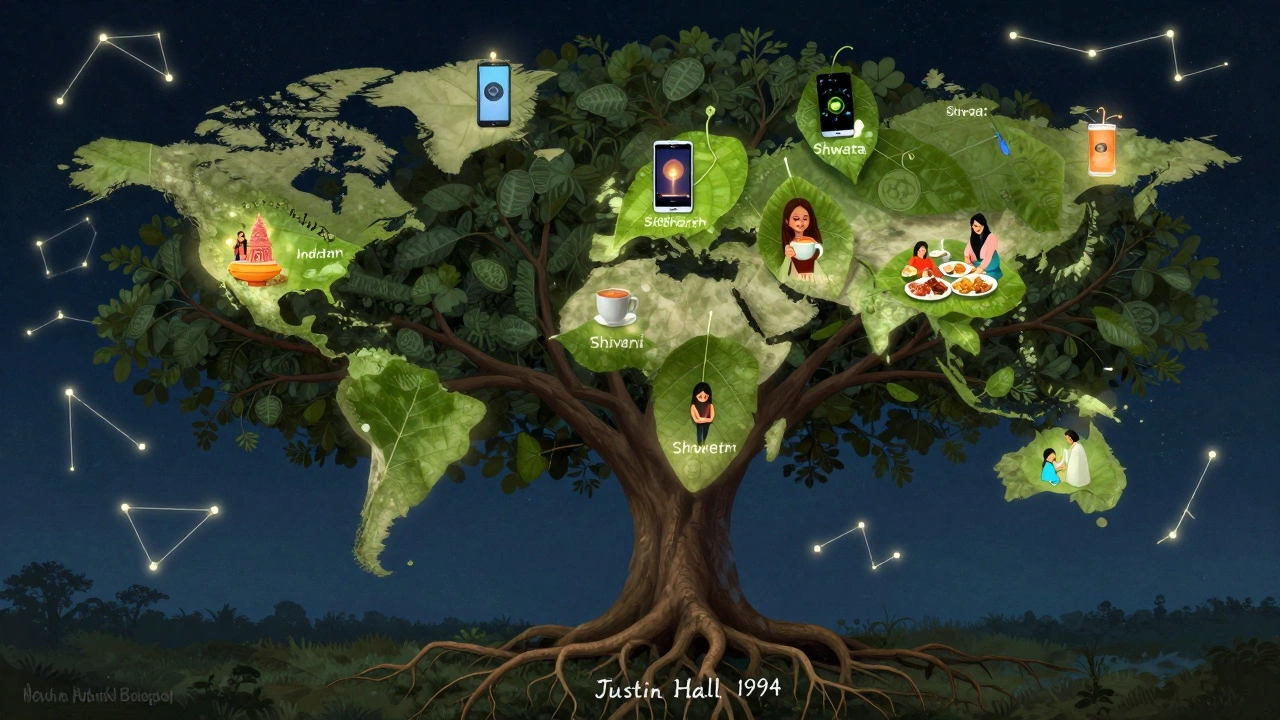
Names like Siddharth Srinivas (Tech in India), Shivani Srinivasan (The Indian Mom), and Shweta Jha (The Traveling Indian) became household names-not because they were the first, but because they made blogging feel local. They didn’t write for a global audience. They wrote for their aunties, their cousins, their neighbors.
Why Does It Matter Who Started Blogging?
It matters because we often think of blogging as a modern invention tied to influencers and monetization. But it started as something quiet, messy, and deeply human. Justin Hall didn’t care about ads or followers. He just wanted to share his life. That’s why blogging survived when other online trends died.
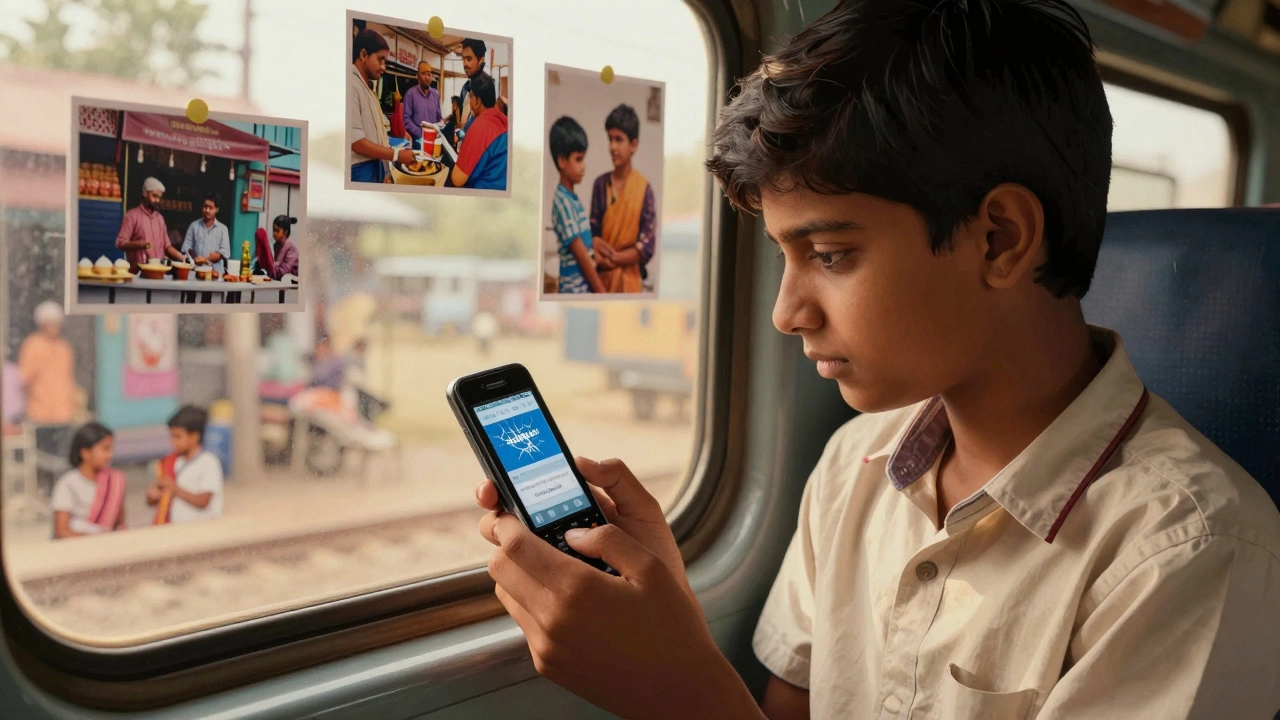
Indian bloggers carried that same spirit. They didn’t need fancy tools. They didn’t need big budgets. They used free platforms, wrote in broken English or their mother tongue, and posted from their phones on train rides or during lunch breaks. Their blogs weren’t perfect. But they were real.
The Real Legacy of Blogging
The father of blogging didn’t invent a technology. He invented a way to connect. He proved that ordinary people could have something to say-and that others would listen. That’s the same spirit driving every Indian mom blogging about parenting, every college student reviewing chai stalls, every small-town entrepreneur sharing how they started their business.
Today, there are over 100 million blogs in India. Most are personal. Few make money. Almost none were started by professionals. But they’re alive because they follow the same rule Justin Hall did: write like you talk. Share like you care. Link like you’re inviting someone in.
What You Can Learn From the First Blogger
If you’re thinking about starting a blog, forget about SEO tricks, keyword density, or posting schedules. Start like Justin Hall did:
- Write about what you actually care about-not what’s trending.
- Don’t wait for perfect grammar or a fancy design. Start now.
- Link to things you love. It builds trust.
- Reply to comments. Even if it’s just one person.
- Keep going, even if no one reads it for months.
The most successful Indian bloggers didn’t become famous because they were the loudest. They became famous because they were the most consistent. They showed up. Day after day. Year after year.
Final Thought: Blogging Is Still Personal
Technology changes. Platforms rise and fall. But the heart of blogging hasn’t changed since 1994. It’s still about one person sharing their truth with the world. Whether you’re in Bangalore, Bhopal, or Brisbane, that’s all you need to start.
You don’t need to be the first. You just need to be honest.
Who is considered the father of blogging?
Justin Hall is widely recognized as the father of blogging. In 1994, he started "Justin’s Links from the Underground," one of the first personal online journals that included daily updates, personal stories, and hyperlinks to other sites. Though the term "blog" didn’t exist yet, his site laid the foundation for what blogging became.
Did blogging start in India?
No, blogging didn’t start in India. It began in the U.S. in the mid-1990s with Justin Hall. However, India became one of the fastest-growing blogging markets in the 2010s due to affordable internet, smartphones, and platforms like WordPress and Blogger. Indian bloggers adapted the format to local culture, language, and experiences.
Who were some of the early Indian bloggers?
Some of the early influential Indian bloggers include Siddharth Srinivas, who wrote about tech trends in India; Shivani Srinivasan, who shared relatable parenting stories in Hinglish; and Shweta Jha, who documented travel experiences across lesser-known parts of India. They built loyal audiences by writing authentically about everyday life.
Is Justin Hall still blogging today?
Justin Hall stopped updating his original blog in the early 2000s. He moved on to other creative projects, including writing and digital art. He doesn’t maintain a public blog anymore, but his early work is archived and studied as the foundation of modern blogging.
Can someone become a successful blogger without being the first?
Absolutely. Success in blogging isn’t about being first-it’s about being consistent and real. Many of the most successful Indian bloggers started years after the trend went global. They won by writing about their own lives, using local language, and staying true to their voice-not by copying trends.