
Audience Persona Builder
Define Your Reader Persona
Your Reader Insights
Your Reader Profile
No profile generated yet
Your Headline Suggestion
No headline generated yet
Why this works: Your headline addresses [fear] by speaking directly to your reader's [pain] in a conversational way. This approach builds trust and makes readers feel seen.
Most new bloggers think content writing starts with typing. You open a blank document, stare at the cursor, and try to force out words. That’s not writing-that’s panic. The real first step in content writing isn’t writing at all. It’s understanding your reader.
Why Guessing Doesn’t Work
Writing without knowing who you’re writing for is like shouting into a dark room. You might make noise, but no one hears you. I’ve seen too many blogs die because the writer assumed their audience was "people interested in fitness" or "small business owners." That’s not an audience. That’s a demographic. Real content starts with a person.
Who is the person reading this? Are they a tired mom trying to lose weight after having a baby? A freelance designer overwhelmed by client requests? A small-town shop owner who doesn’t know how to use Instagram? The more specific you get, the more your words will stick.
How to Find Your Reader’s Real Problem
You don’t need fancy tools. Start with what’s already out there.
- Go to Reddit. Search your topic-say, "how to write blog posts"-and look at the questions people are asking. Not the top answers. Look at the comments under those answers. That’s where the real frustration lives.
- Check Quora. Filter by "Most Viewed" and scan for repeated phrases. If ten people ask, "Why does my blog get no traffic?" that’s not about SEO. That’s about confusion, fear, or feeling stuck.
- Look at YouTube comments on videos about your topic. People type what they can’t say out loud. "I tried everything" or "I don’t have time" are red flags. Those are your entry points.
One blogger in Melbourne wrote about "how to start a blog in 2025." She thought her readers wanted tech tips. But after reading comments on similar videos, she realized most people were scared they weren’t "good enough writers." So she rewrote her post as: "You don’t need to be a writer to start a blog (here’s how to do it anyway)." Her open rate jumped 67% in two weeks.
Write the Question Your Reader Is Too Embarrassed to Ask
The best blog posts answer questions people are too shy to Google. Not "how to write a blog post," but "what if I’m not smart enough to write a blog?" or "can I still write if I hate grammar?"
When you name the hidden fear, you build trust. People don’t follow experts. They follow people who get them.
Here’s a simple trick: Take your topic and add "but I’m not..." to it.
- "I want to write a blog, but I’m not a writer."
- "I want to write about my business, but I don’t know what to say."
- "I want to blog daily, but I’m too busy."
Now write to that person. Not the ideal reader. Not the perfect blogger. The one sitting on their couch at 11 p.m., scrolling, wondering if they’re wasting their time.
Stop Thinking About Keywords. Start Thinking About Conversations.
SEO tools tell you to target "how to start a blog." But that’s not what people type when they’re ready to act. They type, "I tried blogging for three months and got zero traffic-what am I doing wrong?"
Your first step isn’t choosing a keyword. It’s writing like you’re replying to a DM. Short. Honest. No fluff. Use contractions. Say "I" and "you." Sound like a person, not a textbook.
Here’s what that looks like in practice:
Bad: "Content writing involves the strategic development of textual material designed to engage and inform a target audience."
Good: "You’re not writing for Google. You’re writing for Sarah, who just quit her job and wants to start a blog about her baking fails. She doesn’t care about "strategic development." She just wants to know if she can do this without crying every time she hits publish. The answer? Yes. Here’s how."
What Happens When You Skip This Step
I’ve read hundreds of blog posts that look great on paper-clean formatting, perfect grammar, solid structure. But they don’t get shared. They don’t get saved. They don’t get commented on.
Why? Because they feel like they were written for a robot.
One guy in Brisbane wrote a 3,000-word guide on "The 7 Pillars of Blogging." It had charts, references, and a downloadable PDF. He thought he’d hit the jackpot. Instead, his email list grew by 12 people in six months. He finally asked his readers why. One replied: "I didn’t feel like you understood how scared I was. I just needed someone to say, ‘It’s okay to suck at first.’"
That’s the gap. Your readers don’t need more information. They need to feel seen.
Your First Step Checklist
Before you type a single word, do this:
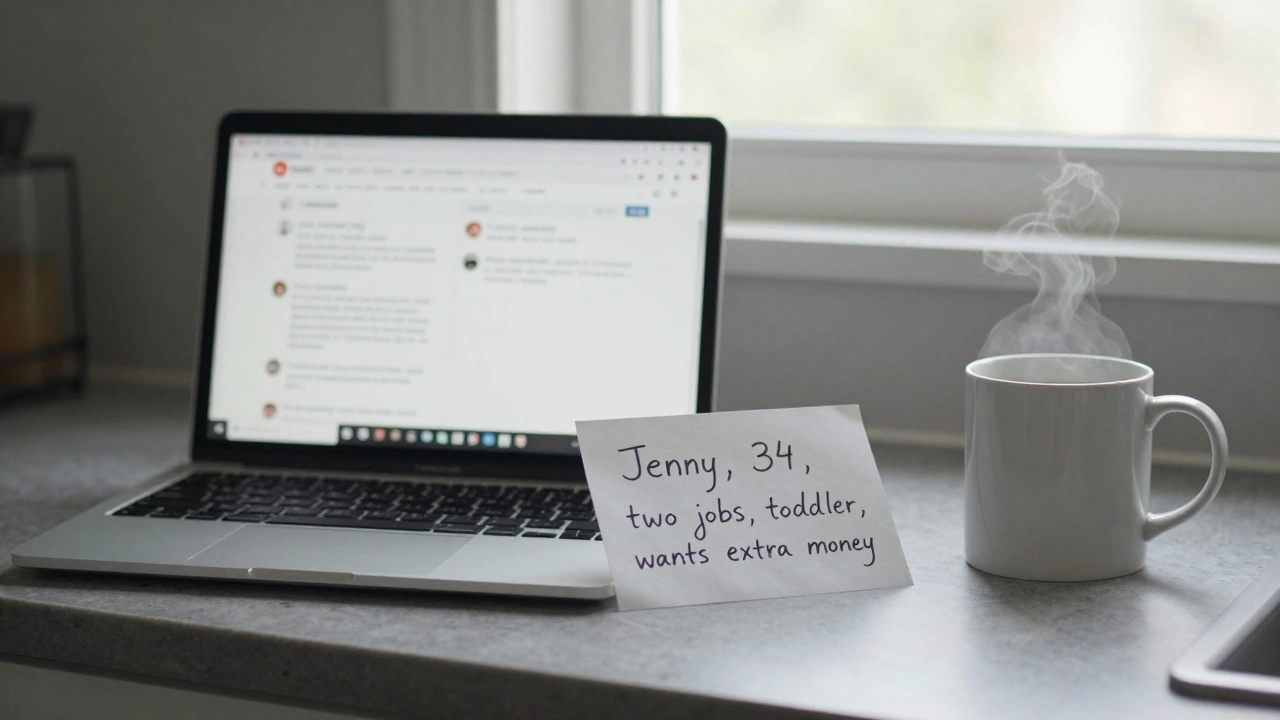
- Name one person you’re writing for. Give them a name. Give them a life. "Jenny, 34, works two jobs, has a 2-year-old, and wants to make extra money from home."
- Write down the one thing they’re afraid to admit. "I’m not creative enough." "I don’t have time." "I’ll look stupid."
- Write the headline as if you’re replying to their comment: "You don’t have to be creative to start a blog (here’s what actually works)."
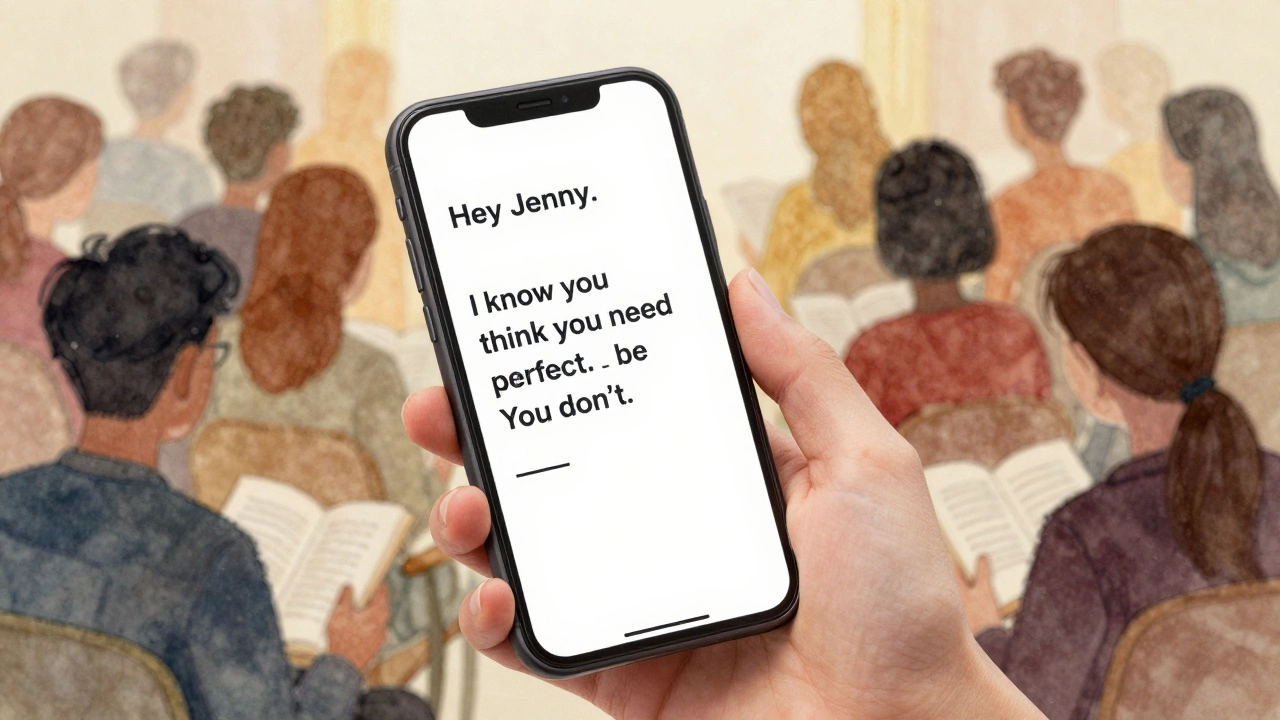
- Write the first sentence like you’re texting them: "Hey Jenny. I know you think you need to be perfect. You don’t."
That’s it. That’s the first step.
What Comes Next
Once you know who you’re writing for, the rest gets easier. You’ll know what to say, what to leave out, and how to say it. You’ll stop chasing trends and start building real connections.
Content writing isn’t about being clever. It’s about being clear. And clarity starts with knowing who you’re talking to.
Stop writing for the internet. Start writing for your person. The rest will follow.
Is the first step in content writing choosing a topic?
No. Choosing a topic comes after you know who you’re writing for. A topic like "how to grow a blog" means nothing if you don’t know whether your reader is a stay-at-home parent, a college student, or a small business owner. You pick the topic based on what your person needs-not what sounds impressive.
Do I need to do market research before writing my first blog post?
Not the kind you think. You don’t need surveys or analytics tools. Just spend 20 minutes reading real questions people are asking online. Look at Reddit threads, Quora answers, and YouTube comments. The pain points are already there. You just have to listen.
Can I write content without knowing my audience if I use SEO tools?
You can, but it won’t work. SEO tools tell you what people search for, not why they search for it. Someone searching "how to write a blog post" might be a beginner scared they’ll fail-or a pro looking for advanced tips. Without knowing which one you’re talking to, your post will feel flat. SEO gets you seen. Understanding your reader gets you trusted.
What if I don’t know who my audience is yet?
Start with one person. Even if it’s fictional. Imagine your ideal reader as someone you know-or someone you wish you could help. Write for them. After your first five posts, you’ll start seeing patterns in who comments, shares, or emails you. That’s your real audience. Don’t wait to find them. Build your first post for someone, then let them show you who else is like them.
How long should I spend on this first step?
Twenty to thirty minutes. That’s all it takes to read five real questions from real people. Don’t overthink it. You don’t need a full buyer persona document. Just name one person and understand their biggest worry. Then write like you’re talking to them. That’s enough to make your content stand out.