
Niche Validation Calculator
How Viable Is Your Blog Niche?
Answer these questions to see if your niche meets the key criteria for success. Based on the article "How to Pick Your Niche for a Blog That Actually Grows".
Monetization Paths
Niche Assessment
Choosing the right blog niche isn’t about picking what’s trendy or what sounds cool. It’s about finding the sweet spot where your knowledge, passion, and real audience needs overlap. Too many people start blogs in broad, crowded spaces like "fitness" or "travel"-and then wonder why they’re not gaining traction. The truth? A narrow, specific niche doesn’t limit you. It makes you unforgettable.
Start with what you know inside out
You don’t need to be an expert to start a blog, but you do need to have spent real time with a topic. Think about the things you naturally talk about, the problems you’ve solved, or the habits you’ve built over years. For example, if you’ve spent the last five years meal prepping for a chronic illness, you’re not just a "healthy eating" blogger-you’re a "low-FODMAP meal prep for IBS" blogger. That specificity is your superpower.
Ask yourself: What do people always come to you for advice about? What do you find yourself explaining to friends over coffee? Those are your hidden niche signals. A woman who fixed her own home Wi-Fi after five failed tech support calls didn’t start a "tech help" blog. She started one called "Wi-Fi Fixes for Renters in Apartments." It’s specific. It’s real. And it has zero competition from generic advice blogs.
Look for gaps in existing content
Don’t just Google your idea and give up if you see big names. Look deeper. Scan the comments on top blogs in your area. What are people asking that no one’s answering? What are the half-baked guides that leave you frustrated?
For instance, if you’re into gardening, you might notice every blog talks about growing tomatoes-but none explain how to grow them in a 4th-floor balcony with no direct sunlight. That’s a gap. Or if you’re into personal finance, maybe everyone covers budgeting for salaried workers-but no one talks about managing income when you get paid in cash tips every week. Those are goldmines.
Use tools like AnswerThePublic or Ubersuggest to find long-tail questions. But don’t just copy them. Add your own experience. If you’ve been through it, your answer will be richer than any AI-generated post.
Test your niche before you build
Don’t spend three months building a website before you know people care. Start small. Post on Reddit, Facebook groups, or niche forums. Share your idea as a question: "Has anyone else struggled with X?" or "Would you use a guide for Y?"
You’ll know you’re onto something if people respond with stories of their own. If ten people reply with "Yes! I’ve been trying to find this for years," you’ve got validation. If no one responds, pivot. Don’t get attached. Your first idea isn’t your only idea.
A guy in Ohio tested his niche idea-"repairing vintage sewing machines in rural towns"-by posting photos of his fixes on Instagram. Within two weeks, he got DMs from three women in Nebraska asking if he could ship them a part. That was his proof. He didn’t need a fancy website. He just needed to know someone would pay for his knowledge.

Check if it’s monetizable
A niche isn’t worth pursuing if you can’t turn it into income. That doesn’t mean you need to sell products right away. But you should be able to see at least three ways to make money from it.
Ask: Can people pay for this?
- Can you sell digital products (e-books, templates, checklists)?
- Can you offer consulting or coaching?
- Are there affiliate products people actually buy in this space?
- Could brands pay you to promote something real?
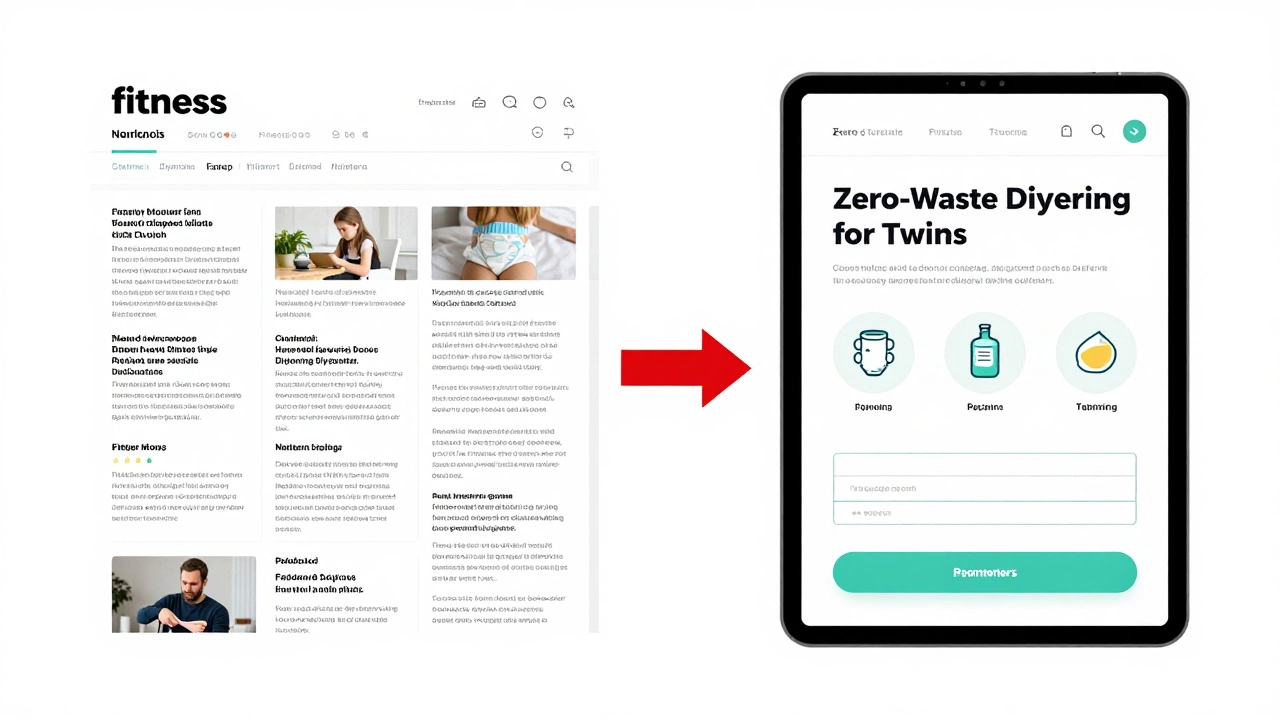
For example, "zero-waste diapering for twins" might seem too narrow-but parents in that space buy reusable diaper systems, organic laundry soap, and specialized drying racks. Affiliate commissions are high. People are desperate for solutions. You can build a course on how to save $1,200 a year on diapers. That’s real.
If you can’t see at least two clear paths to income, your niche might be too hobbyist. That’s okay if you just want to write for fun. But if you want to build something sustainable, monetization isn’t optional. It’s part of the filter.
Size matters-but not how you think
Don’t chase huge audiences. A niche with 5,000 highly engaged people is better than a broad topic with 500,000 casual visitors. Why? Because engaged people share, comment, and buy. They become loyal readers. They tell their friends.
Look for niches where people are already spending money. If you’re writing about "eco-friendly pet grooming," check out Amazon reviews for pet shampoos. Are people leaving long reviews? Are they comparing brands? Are they asking for recommendations? That’s your market.
A woman in Oregon started a blog about "hiking with a prosthetic leg." The audience was small-maybe 10,000 people in the U.S. But every single one of them was active. She got sponsored by a mobility gear company within six months. Her blog didn’t need millions. It needed the right 1,000.
Give it a name that sticks
Your niche name should be specific enough that someone can picture it instantly. Avoid vague labels like "lifestyle" or "wellness." Instead, try:
- "Meal prep for night shift nurses"
- "Low-sodium cooking for kidney disease"
- "Fixing leaky faucets in old apartments"
These names tell you who it’s for and what problem it solves. That’s what makes people click. That’s what makes Google understand you.
If you can’t name your niche in seven words or less, you haven’t narrowed it enough. Try this: "I help [specific group] do [specific thing] without [specific pain point]." Fill in the blanks. That’s your niche.
Don’t fear being "too small"
The biggest mistake? Thinking you need to appeal to everyone. You don’t. The more specific you are, the more authority you build. The more authority you build, the more trust you earn. And trust is what turns readers into customers.
One blog in Texas focuses on "replacing garage doors in hurricane zones." That’s it. No general home improvement. No DIY tips for beginners. Just hurricane-proof garage doors in Florida and Louisiana. They get 8,000 visitors a month. Why? Because when you’re in a hurricane zone and your door is blown off, you don’t want a general guide. You want that guide.
Your niche doesn’t need to be popular. It needs to be precise. And precision beats popularity every time.
What to avoid
- "Make money online"-too broad. Everyone’s doing it.
- "Self-help"-no one knows what that means.
- "Travel"-unless you’re writing about "solo backpacking in North Korea," you’re lost in the noise.
- "Healthy eating"-too vague. Try "low-sugar snacks for type 2 diabetics."
Also avoid niches that change too fast. If you start a blog about "iPhone 16 hacks," you’ll be obsolete in six months. Stick to evergreen problems: health, money, relationships, home, learning.
Final checklist
Before you launch, ask yourself:
- Can I explain my niche in one sentence?
- Do I have real experience with this topic?
- Can I name three products or services people in this niche already buy?
- Have I tested it with real people (not just friends)?
- Is there a clear way to make money from it?
If you answered yes to all five, you’re ready. Don’t wait for perfect. Start with what you know, who you help, and what they need. The rest will follow.
What if I love multiple topics? Can I combine them?
Yes-but only if they naturally connect. You can’t be "fitness and astrology" unless you’re helping people plan workouts based on moon phases. Even then, you need a clear hook. Most successful niche blogs combine two related areas: "vegan cooking for athletes" or "budget travel for digital nomads." The key is finding the overlap where your audience lives. Don’t force it. Let the connection emerge from real needs.
How long does it take to grow a niche blog?
With a solid niche, you’ll start seeing traffic in 3-6 months if you post consistently. But growth isn’t linear. The first 1,000 visitors might take six months. The next 10,000 could come in three. Why? Because niche audiences share. One person reads your post, shares it with their Facebook group, and suddenly you’re in front of 500 new people who are all looking for exactly what you offer. Patience and consistency beat viral spikes every time.
Can I change my niche later?
Yes, but don’t do it lightly. If you’ve built trust, shifting too far can confuse your audience. Instead, expand within your niche. If you started with "budget meals for college students," you can later add "meal prep for students with food allergies." That’s still your audience. If you want to pivot completely, start a second blog. Don’t try to rebrand the first one. Your readers built a relationship with your voice and focus. Honor that.
What if my niche is too small to make money?
If your niche is truly tiny-like "repairing antique typewriters in rural Maine"-you might not make much from ads or affiliates. But you can still earn through consulting, custom services, or selling physical products. One blogger makes $8,000/month selling hand-stitched leather repair kits for vintage suitcases. His niche? One hundred people worldwide. But they’re willing to pay $95 for a kit. Small doesn’t mean unprofitable. It means you serve fewer people… but serve them deeply.
Do I need to be an expert to start?
No. But you need to be honest. You don’t need a degree in nutrition to write about low-sugar snacks for diabetics-if you’ve managed your own blood sugar for years. What matters is your experience, not your credentials. People trust real stories more than polished experts. Share your journey. Admit what you’re still learning. That’s what builds connection. Authority comes from consistency, not titles.