Niche Finder Tool
Find Your Ideal Blog Niche
Enter your interests and passions to discover specific niche ideas that work well for beginner blogs.
If you’ve ever thought about starting a blog but didn’t know where to begin-or worse, assumed it would cost hundreds of dollars-you’re not alone. The truth is, you can launch a real, working blog with zero dollars in your pocket. No credit card. No fancy tools. Just a computer, an internet connection, and the willingness to write. This guide walks you through exactly how to do it, step by step, using only free resources that actually work.
Choose a free blogging platform that actually works
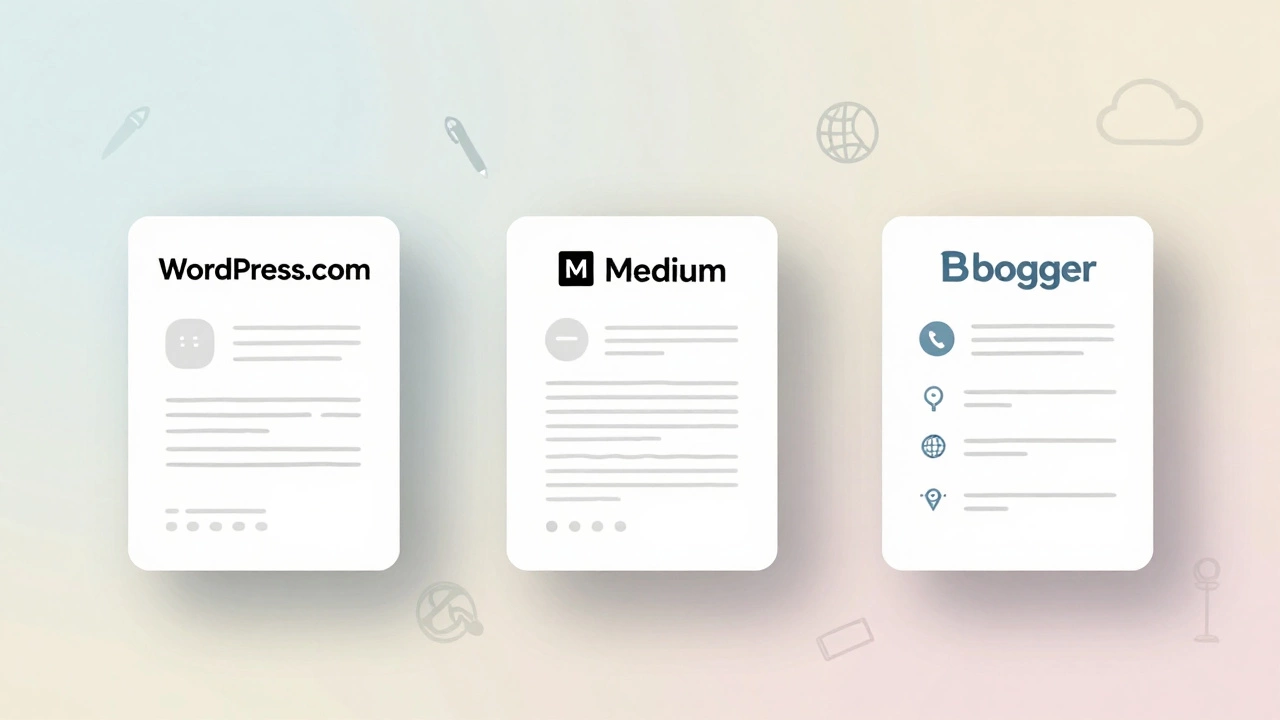
Not all free blogging sites are created equal. Some let you publish, but lock you into their design. Others hide ads all over your content. The best free options for beginners are simple, fast, and give you real control. Here are the top three:
- WordPress.com - The most popular. You get a free subdomain (like yourblog.wordpress.com), clean themes, and built-in mobile apps. It’s beginner-friendly, but free plans come with WordPress ads and limited customization.
- Medium - Great if you want to focus purely on writing. Medium handles design, distribution, and even some traffic. You won’t own your domain, but you’ll reach millions of readers instantly.
- Blogger (by Google) - Old but reliable. If you already use Gmail or Google Drive, this integrates smoothly. You get a free blogspot.com address and basic tools. It’s not flashy, but it’s stable.
For most beginners, WordPress.com is the best balance of freedom and simplicity. You can upgrade later if you need more control, but for now, it’s enough.
Pick a niche you care about
Trying to write about “everything” is how blogs die. The most successful free blogs start narrow. You don’t need to be an expert-you just need to be curious. Ask yourself: What do you enjoy talking about so much that you’d do it for free?
Here are real examples of successful free blogs started with zero budget:
- A mom in Ohio writing about budget meals for families on SNAP benefits
- A high school student in Toronto reviewing indie video games
- A retired teacher in Melbourne sharing simple gardening tips for small balconies
Your niche doesn’t have to be huge. It just has to be specific enough that people searching for it will find you. Avoid broad topics like “fitness” or “travel.” Instead, try “yoga for desk workers” or “road trips in Australia under $200.”
Set up your blog in under 30 minutes
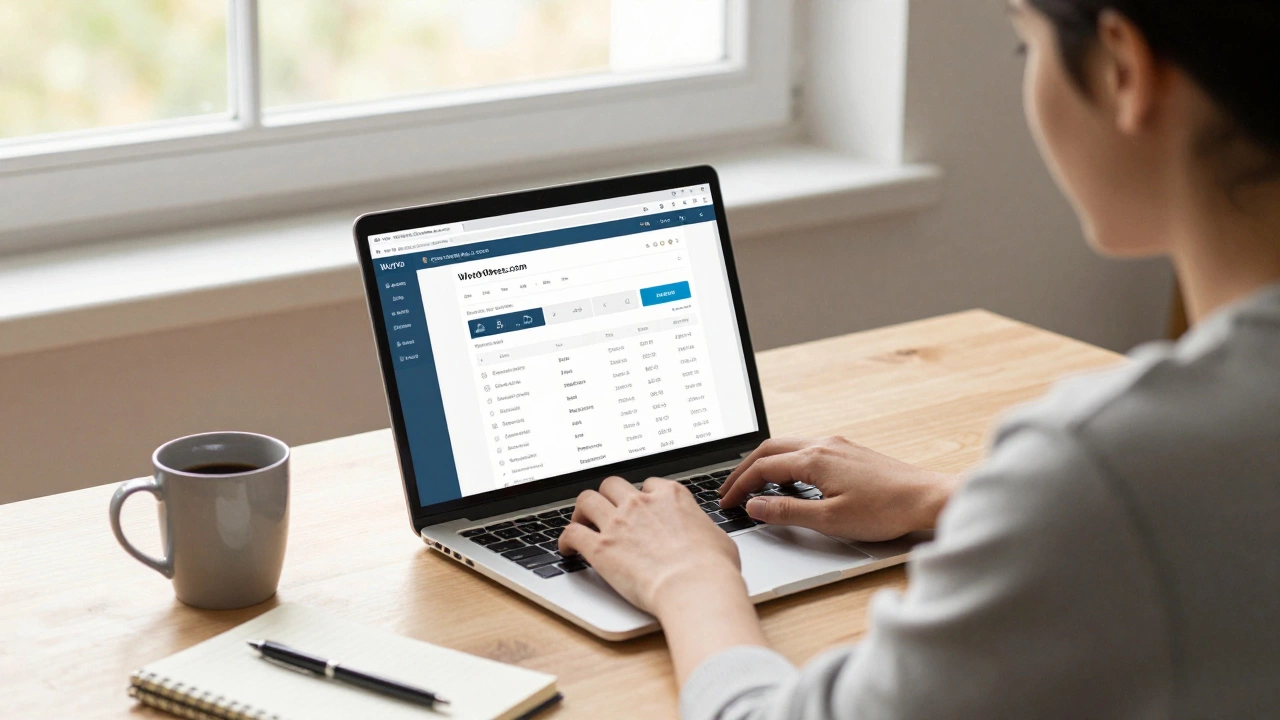
Let’s say you pick WordPress.com. Here’s how to get live in minutes:
- Go to wordpress.com and click “Start Your Website.”
- Choose “Free” plan. No credit card needed.
- Pick a name for your blog (yourblog.wordpress.com). If your first choice is taken, add your city or a word like “daily” or “notes.”
- Select a simple theme. “Awaken” or “Hemingway” work well for text-heavy blogs.
- Click “Create Site.” That’s it. You’re live.
Now, write your first post. Don’t overthink it. Just hit “New Post” and type something real. Maybe: “Why I Started This Blog” or “My First Week of Walking 10,000 Steps.” No need for perfect grammar. Just be you.
Write consistently-even if no one reads it
Most people quit because they don’t get traffic right away. But traffic doesn’t come from luck. It comes from consistency. You don’t need 10 posts a week. Start with one post every two weeks. That’s it.
Here’s a simple schedule that works:
- Monday: Brainstorm one topic (use Google Trends or Reddit to find questions people are asking)
- Wednesday: Write 500 words
- Friday: Hit publish
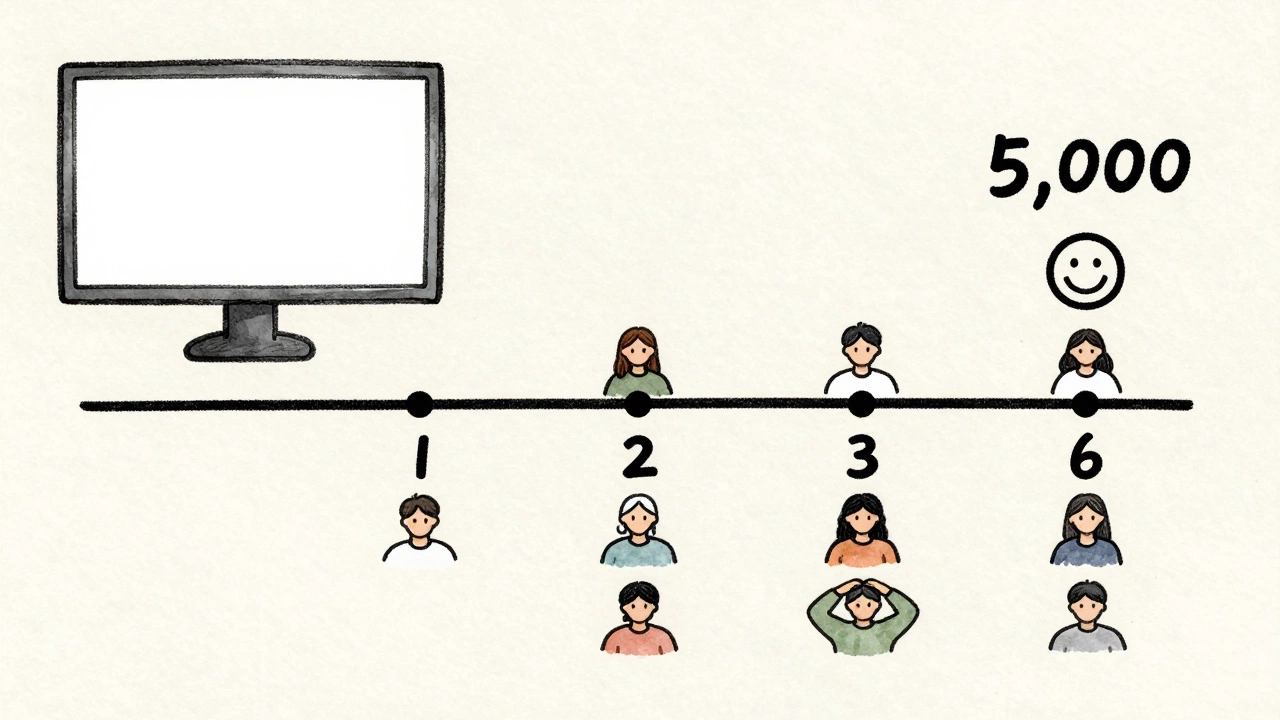
After three months, you’ll have six posts. That’s more than 90% of people who start blogs. And guess what? Google starts noticing.
Don’t worry about SEO yet
SEO sounds scary, but you don’t need to learn it on day one. Focus on writing clearly and answering real questions. If someone searches “how to fix a leaky faucet” and you write a simple guide with photos, you’ll rank-even without keywords.
Here’s one free SEO trick that actually works: Use headings. Write your post like this:
- What’s the problem? (Your reader’s pain point)
- What I tried (Your personal experience)
- What worked (The solution)
- What didn’t (The mistake you made)
This structure is easy to write and easy for Google to understand. No plugins. No tools. Just clear thinking.
Share your posts where people already are
You don’t need to build an audience from scratch. Just share your posts where your readers already hang out.
- If you write about cooking, share your post in a Facebook group for home cooks.
- If you write about hiking, post your guide in a subreddit like r/Hiking.
- If you write about study tips, reply to a Reddit thread with “I wrote a short guide on this-here it is.”
Don’t spam. Don’t say “Check out my blog!” Just add value. Say: “I struggled with this too. I wrote a quick guide that helped me-hope it helps you.” Then link it. People appreciate honesty.
Wait six months before you think about money
Monetizing too early kills momentum. Your first goal isn’t to earn money. It’s to build a habit. After six months of regular posting, you’ll have a better sense of what works. Then you can explore free ways to make money:
- Join Google AdSense (free to apply)
- Use affiliate links for products you already use (like Amazon or Canva)
- Offer a free PDF guide in exchange for email signups (using MailerLite’s free plan)
But none of that matters if you don’t have content. Focus on writing. The money comes later.
What to avoid
There are a lot of “free blogging” scams out there. Here’s what not to do:
- Don’t use sites that promise “free domains” but charge you later. Stick to WordPress.com, Blogger, or Medium.
- Don’t buy “premium themes” or “SEO plugins” on day one. You don’t need them.
- Don’t copy other blogs. Your voice is your superpower.
- Don’t compare your month one to someone else’s year five. You’re just starting.
Start simple. Stay consistent. Let your blog grow at its own pace.
Real example: A blog that went from zero to 5,000 readers
In early 2024, a 19-year-old in Perth started a blog called “My First $100 Month.” She wrote about how she made money from small side gigs-selling old clothes online, tutoring for $15/hour, reselling thrifted books. She posted once every two weeks. No fancy setup. Just her phone, a free WordPress.com blog, and honesty.
By month six, she had 5,000 monthly visitors. She didn’t run ads. She didn’t pay for promotion. She just kept writing. Now, she’s teaching others how to start their own free blogs.
That could be you. Not next year. Not after you save $500. Right now. With nothing but a free blog and a few honest words.