
Free vs. Self-Hosted Blogging ROI Calculator
Your Blog Stats
Estimated Monthly Income
Limited ad control & lower trust factor.
Full ad control, better SEO, higher trust.
The Upgrade Gap
By upgrading, you could potentially earn an extra:
Enter your stats to see the recommendation.
You start writing because you have something to say. You pick a platform that costs nothing to set up, publish your first few posts, and then the question hits you: can I actually make money from this? The short answer is yes, but the long answer involves some serious limitations that most beginners don't see until it's too late.
Free blogging sites like WordPress.com (the free tier), Blogger, and Medium allow you to publish content without paying for hosting or domain names. This removes the barrier to entry, which is great for testing ideas. However, these platforms operate on business models that often conflict with your goal of earning income. They want your attention, not your profit. Understanding how these platforms work-and where they restrict you-is the first step toward deciding if a free blog is worth your time or if you need to upgrade to a self-hosted solution.
How Free Platforms Restrict Your Earning Potential
When you use a free subdomain (like yourblog.wordpress.com), you are renting space on someone else's property. The landlord sets the rules. Most major free blogging platforms explicitly prohibit placing third-party ads on your site. This means you cannot sign up for Google AdSense, Media.net, or other display ad networks that pay based on impressions and clicks.
Why do they do this? Because many of these platforms already place their own ads on your sidebar or footer. They take a cut of that revenue, leaving you with zero earnings from ad views. If you try to paste ad code into your HTML editor, the system will strip it out or ban your account for violating terms of service. This is the biggest hurdle for anyone trying to monetize a free blog through traditional advertising.
Furthermore, free platforms often lack advanced SEO tools. Without control over your site's meta tags, schema markup, or server speed, it becomes harder to rank highly on search engines. Lower traffic means fewer eyes on your content, which directly impacts any form of monetization that relies on volume, such as affiliate sales or newsletter signups.
The One Exception: Native Platform Programs
Not all free platforms are created equal. Some have built-in monetization programs that allow writers to earn money without needing external ad networks. The most prominent example is Medium. Medium operates on a partnership model where readers who pay for a Medium Membership spend time reading your articles. You get paid based on how much engaged members read your content, not just how many people click on it.
This model has pros and cons. On the plus side, you don't need to drive your own traffic initially; Medium pushes your content to its existing audience. On the downside, you have no control over your audience data. You cannot build an email list easily, and you don't own the relationship with your readers. If Medium changes its algorithm or shuts down, your income stream disappears overnight.
Another option is Substack, which started as a newsletter platform but now hosts public blogs. Substack allows you to offer paid subscriptions directly to your readers. While the platform itself is free to start, they take a percentage of your subscription revenue. This works well if you have a strong personal brand or niche expertise that people are willing to pay for directly.
Affiliate Marketing: The Loophole
If you can't run ads, what about affiliate marketing? This is where you recommend products and earn a commission when readers buy through your links. Most free platforms allow this, provided you disclose the affiliate relationship as required by law. You can write detailed reviews of software, books, or gear and include links to Amazon Associates or specific brand programs.
The challenge here is trust and authority. A blog on a free subdomain looks less professional than one on a custom domain. Readers may hesitate to buy high-ticket items based on a recommendation from a site that looks temporary. For low-cost items, this matters less. But for building a sustainable business, the lack of brand credibility on free platforms can significantly lower your conversion rates.
To succeed with affiliate marketing on a free blog, you need to focus heavily on quality content that solves specific problems. Instead of generic "top 10" lists, write deep dives that show genuine experience. Link to resources that help your readers, even if they don't generate immediate commissions. Building trust is slower on free platforms, but it's possible.
Selling Digital Products and Services
You don't always need ads or affiliates to make money. Many bloggers use their free sites as a portfolio to sell their own services or digital products. If you're a writer, designer, or consultant, your blog demonstrates your expertise. Clients hire you based on the value you provide, not the URL structure of your website.
Digital products like e-books, templates, or courses can also be sold via free platforms, though integration can be clunky. You might need to link out to a separate payment processor like Gumroad or PayPal. This adds friction to the user experience-readers leave your site to complete the purchase-but it works for small-scale sellers. The key is to make the value proposition clear enough that users don't mind the extra step.
Consider this scenario: You write a comprehensive guide on gardening tips on your free Blogger site. At the end, you offer a printable seasonal planting calendar for $5. You link to a simple checkout page. If your content is good enough, people will buy. The platform doesn't matter as much as the product's perceived value.
When to Upgrade: The Cost-Benefit Analysis
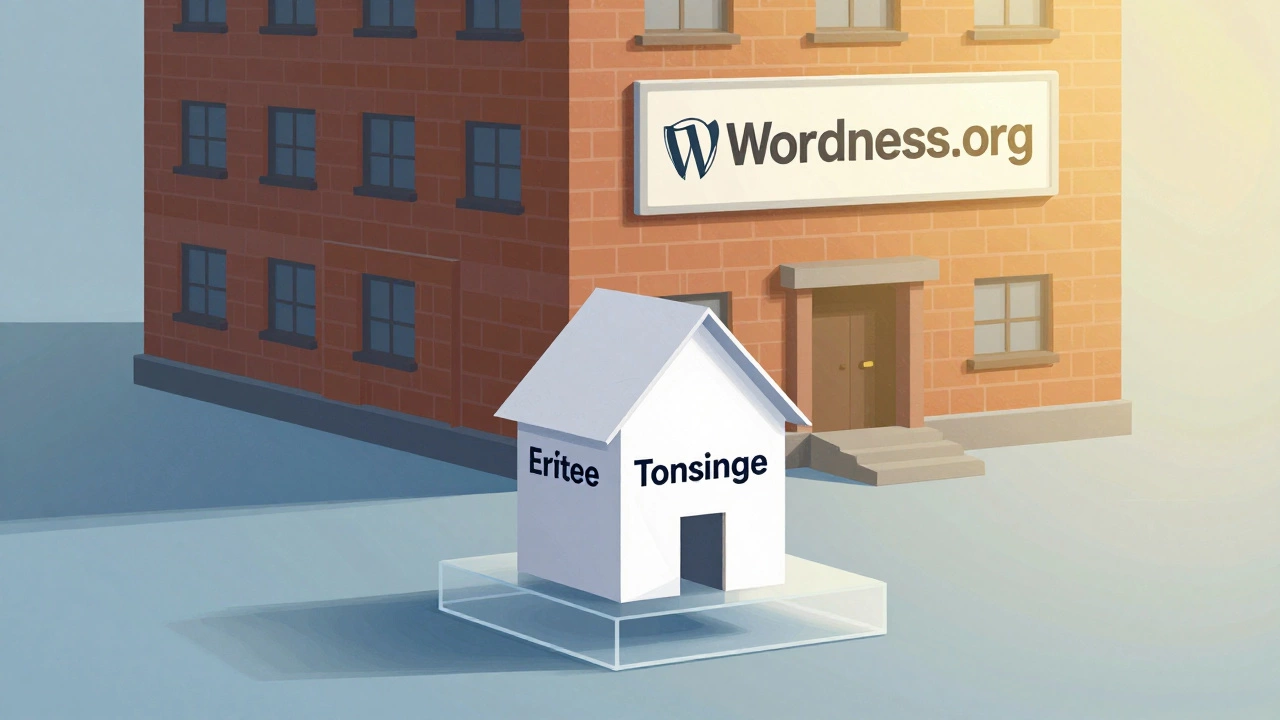
At some point, you'll hit a ceiling. Maybe you're making $50 a month on Medium, but you know you could make $500 if you controlled your own ads. Or maybe you're tired of competing for attention in a crowded feed. This is when you consider upgrading to self-hosted WordPress.org.
Self-hosting requires buying a domain name (around $10-$15 per year) and web hosting (starting around $3-$10 per month). It sounds like an investment, but it gives you full ownership. You can install any plugin, add any ad network, customize your design, and collect email addresses freely. The upfront cost is low compared to the potential lifetime earnings of a professional blog.
Many successful bloggers start on free platforms to test their niche and writing style. Once they see consistent engagement and a clear path to monetization, they migrate to their own domain. This strategy minimizes risk while allowing for growth. Don't rush to pay for hosting before you've proven that people care about what you write.
However, don't stay on a free platform forever if your goal is serious income. The restrictions on customization, SEO, and monetization methods will eventually hold you back. Think of free blogging as a training ground, not a destination.
| Feature | Free Platforms (e.g., WordPress.com Free, Blogger) | Self-Hosted (WordPress.org) |
|---|---|---|
| Ad Placement | Limited or prohibited (platform places their own ads) | Full control (install Google AdSense, etc.) |
| Affiliate Links | Allowed, but less credible | Allowed, higher conversion potential |
| Email List Building | Restricted or difficult | Unlimited integrations (Mailchimp, ConvertKit) |
| SEO Control | Limited (no custom meta tags, slow load times) | Full control (plugins, schema, speed optimization) |
| Ownership | Rented space (can be banned or shut down) | You own the content and domain |
| Cost | $0 | $50-$100/year (domain + hosting) |
Building an Audience First
Regardless of the platform, money follows attention. Before worrying about monetization strategies, focus on creating content that resonates with a specific audience. Choose a niche you're passionate about and knowledgeable in. Write consistently. Engage with comments. Share your posts on social media.
On free platforms, leverage the built-in community features. On Medium, clap for others' articles and follow relevant topics. On Blogger, join communities and comment on other blogs. Networking helps drive initial traffic, which is crucial since free platforms rarely push new, unknown writers to the top of search results.
Track your analytics. Even free platforms provide basic stats on page views and reader demographics. Use this data to understand what works. Double down on topics that perform well. Ignore those that flop. This iterative process helps you refine your voice and find your market fit.
Common Pitfalls to Avoid
One common mistake is trying to monetize too early. If you only have five posts and ten visitors, adding affiliate links or asking for donations feels desperate. Build value first. Let readers get used to your content before asking for anything in return.
Another pitfall is ignoring copyright laws. Never copy images or text from other sources. Use royalty-free image sites like Unsplash or Pexels. Plagiarism can get your free account banned instantly, wiping out all your hard work.
Also, beware of scams promising quick riches. There are no secret tricks to making thousands from a free blog overnight. Sustainable income takes time, effort, and consistency. Focus on providing genuine value, and the money will follow.
Finally, don't neglect your online presence elsewhere. A free blog is just one piece of the puzzle. Connect it to your social media profiles, LinkedIn, or other directories. For instance, if you're looking for local networking opportunities or specialized directories in different regions, you might explore resources like this directory to see how structured listings can drive targeted traffic, even if the context differs from blogging. The principle remains: visibility drives opportunity.
Final Thoughts: Is It Worth It?
Do free blogs make money? Yes, but usually modest amounts unless you leverage native programs like Medium's Partner Program or sell high-value services. For most aspiring bloggers, free platforms are excellent starting points. They teach you the fundamentals of writing, publishing, and audience building without financial risk.
Once you've established a rhythm and seen results, consider investing in your own domain and hosting. The transition unlocks the full potential of your blog, allowing you to scale your income through diverse monetization channels. Start free, learn fast, and upgrade when ready. That's the smartest path to turning your words into wealth.
Can I put Google AdSense on a free WordPress.com blog?
No. The free tier of WordPress.com does not allow third-party ads like Google AdSense. Only paid Business plans on WordPress.com enable this feature. On the free plan, WordPress places its own ads and keeps the revenue.
Is it better to start on Medium or Blogger?
It depends on your goals. Medium is better if you want built-in audience discovery and potential earnings through their Partner Program. Blogger is better if you prefer more control over design and want to focus on affiliate marketing or selling services, though it lacks a native monetization program.
How much can I realistically earn from a free blog?
Earnings vary widely. On Medium, top earners make thousands, but most make little to nothing. With affiliate marketing on free platforms, you might earn $50-$200 monthly if you have steady traffic. Serious income usually requires moving to a self-hosted site with full monetization control.
Can I move my free blog to a self-hosted site later?
Yes, but it requires manual effort. You'll need to export your content (usually in XML format) and import it into your new WordPress.org installation. Images and formatting may need adjustment. It's a worthwhile migration if you're serious about growing your blog's income.
Do I need a custom domain to make money blogging?
Not strictly, but it helps. A custom domain builds credibility and trust, which improves affiliate conversions and ad performance. While you can earn on free subdomains, a custom domain signals professionalism and gives you full control over monetization strategies.