WordPress Income Potential Calculator
Estimated Monthly Income
Note: This is a rough estimation based on typical Indian market rates. Actual earnings depend on your skill level, niche, and client acquisition strategy.
If you're searching for a button inside the WordPress dashboard that says "Pay Me," you're going to be disappointed. WordPress itself doesn't hand out paychecks. However, the ecosystem surrounding it is a goldmine for people in India who have the right skills. Whether you're a coder in Bengaluru or a writer in Delhi, the real money isn't from the software, but from the value you build with it.
To get this right, we need to understand that WordPress is an open-source content management system (CMS) based on PHP and MySQL. Because it is free and powers over 40% of the web, businesses worldwide are desperate for people who can set it up, design it, and keep it running. In India, this creates a massive opportunity for freelancers and agencies to earn in USD or Euros while living in a lower-cost environment.
Key Ways to Earn in the WordPress Ecosystem
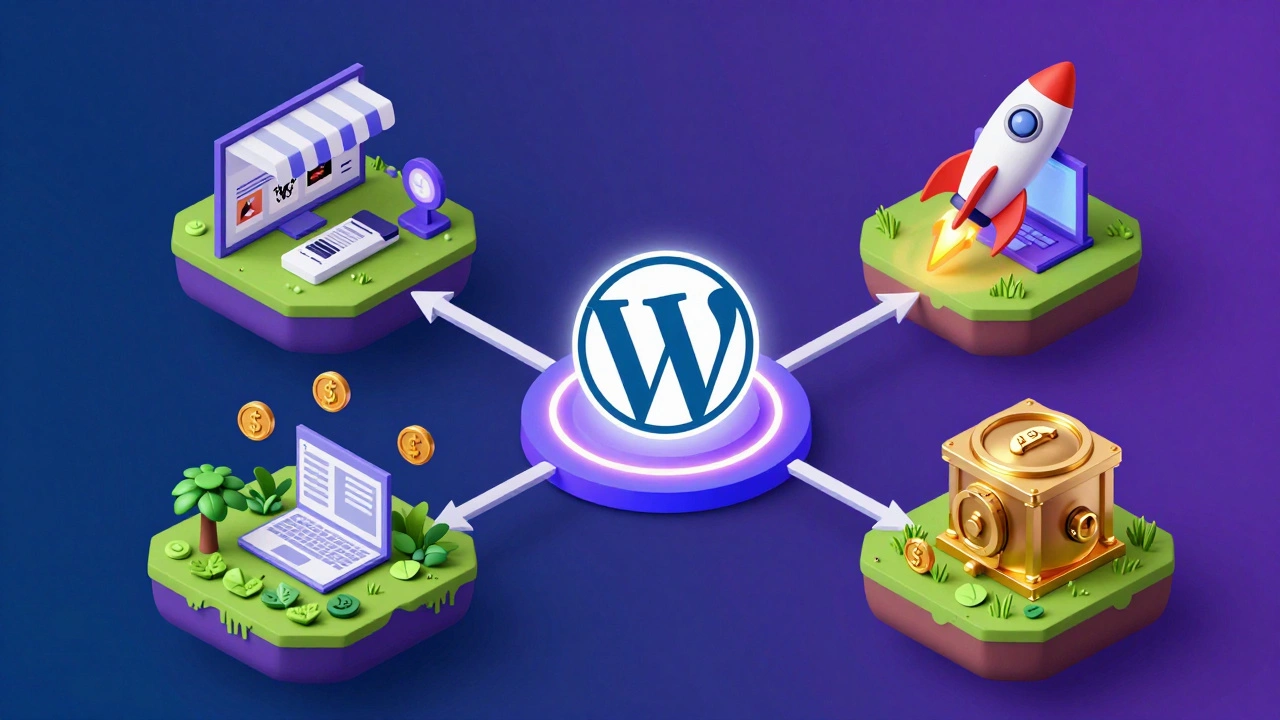
- Freelance Development: Building custom sites for local or international clients.
- Theme & Plugin Creation: Developing and selling digital products.
- Maintenance Services: Charging monthly retainers for updates and security.
- Content Monetization: Using a WordPress site to earn via ads or affiliates.
Selling WordPress Themes in India
Creating a WordPress Theme is one of the most scalable ways to make money. Unlike freelance work where you trade hours for rupees, a theme is a product you build once and sell thousands of times. Many Indian developers focus on the "Commerce" niche, creating themes specifically for WooCommerce, which is the dominant e-commerce plugin for the platform.
If you want to sell your designs, you have two main paths. You can go the "Marketplace Route" by listing on sites like ThemeForest. This gives you instant traffic but takes a hefty cut of your profits. Alternatively, the "Independent Route" involves setting up your own store. This requires more marketing effort but gives you 100% of the revenue and full control over your customer data.
| Feature | Marketplaces (e.g., Envato) | Self-Hosted Store |
|---|---|---|
| Customer Acquisition | High (Built-in traffic) | Low (You must drive traffic) |
| Profit Margin | Lower (Platform fees) | Higher (Payment gateway fees only) |
| Brand Control | Low | High |
| Payment Speed | Scheduled payouts | Instant (via Stripe/PayPal) |
Freelancing as a WordPress Expert
For most people starting out in India, make money with WordPress usually begins with freelancing. The demand is split between two types of clients: local Indian SMEs who need a basic web presence, and international clients who want high-end expertise at a competitive rate.
To make a living here, you can't just "install a theme." Clients pay for outcomes. For example, if you can prove that your optimization reduces page load time from 5 seconds to 1.5 seconds, you can charge a premium. Use tools like Google PageSpeed Insights to provide concrete data to your clients before and after your work. This shift from "worker" to "consultant" is how you increase your hourly rate.
Where do you find these clients? While platforms like Upwork and Fiverr are crowded, the real wins happen on LinkedIn. By sharing a case study of a project you finished for a client in Mumbai or New York, you attract inbound leads who trust your expertise over a random bid on a job board.
Building a Profitable Niche Blog
If you aren't a coder, you can still get paid by using WordPress to build an audience. This is the "Publisher" model. You pick a specific topic-let's say "Organic Farming in Kerala" or "Budget Travel in Rajasthan"-and create high-value content. Once you have traffic, you integrate Google AdSense or other ad networks to earn passive income.
The trick here is avoiding the "general blog" trap. Don't write about everything. Pick a niche where people have a high intent to buy. For instance, a blog reviewing high-end skincare products in India can earn significantly more through affiliate commissions than a general news blog, even with fewer visitors. This is because the "Value per Visitor" is much higher.
Managing Payments and Taxes in India
When you start earning in foreign currency, the technical side of getting paid becomes a priority. Most international clients use PayPal or Stripe. While convenient, these services often have high conversion fees that can eat into your profits.
Many experienced Indian freelancers use services like Wise or Payoneer to receive funds into a virtual US or EU bank account, then transfer the money to their Indian bank. This usually results in a better exchange rate. Also, remember that if you are exporting services (selling a theme or site to someone outside India), you may be eligible for specific GST benefits, such as treating the service as "Zero Rated Supply," provided you have the correct documentation like a Letter of Undertaking (LUT).

Common Pitfalls to Avoid
The biggest mistake beginners make is underpricing. Because there is so much competition in India, many freelancers race to the bottom, offering to build a website for ₹2,000. This is a trap. You will attract the most demanding clients who pay the least. Instead, package your services. Instead of selling a "website," sell a "Business Growth Package" that includes design, basic SEO, and three months of maintenance.
Another mistake is neglecting security. A hacked site is a nightmare for both you and your client. Always implement a robust backup strategy using tools like UpdraftPlus and use managed hosting to avoid the headaches of server management. If you can offer a "Security Guarantee" as part of your monthly fee, you've created a recurring revenue stream.
Does WordPress pay freelancers directly?
No, WordPress (the software) is free and does not pay users. You earn money by providing services to clients, selling themes/plugins, or monetizing your own blog through ads and affiliates.
How much can a WordPress developer earn in India?
Earnings vary wildly. A beginner freelancer might make ₹20,000 to ₹50,000 per month, while an experienced expert working with international clients can easily earn ₹2 Lakhs to ₹5 Lakhs per month depending on their project rate and client base.
Which is better for Indians: selling themes or freelancing?
Freelancing provides faster cash flow and is easier to start. Selling themes is a long-term play that offers passive income but requires significant upfront development time and marketing knowledge.
Do I need to know coding to make money with WordPress?
Not necessarily. While knowing PHP and CSS helps you charge more, you can make money as a "No-Code" developer using page builders like Elementor or Divi, or as a blogger/content creator.
How do I receive payments from US clients in India?
The most common methods are PayPal, Payoneer, and Wise. Wise is generally preferred for lower fees and better exchange rates when transferring money to an Indian bank account.
What to do next
If you're just starting, don't buy an expensive course. Start by building three "dummy" sites in different niches (e.g., a portfolio, an e-commerce store, and a blog). Document the process and post these on LinkedIn. Once you have a portfolio that proves you can solve a business problem, start reaching out to potential clients. If you prefer the product route, look at the current top-selling themes on marketplaces and identify one feature they are all missing-that's your gap in the market.