If you’re thinking about starting a blog, you’re not alone. But here’s the truth: most new blogs fail-not because they’re poorly written, but because they pick the wrong niche. Not because the topic is boring. Not because there’s no audience. But because they’re trying to serve too many people at once. The winners? They focus on one thing. And in 2026, three niches keep pulling ahead of the rest. These aren’t trends. They’re permanent shifts in how people search, spend, and trust online.
The Big 3: Health & Wellness
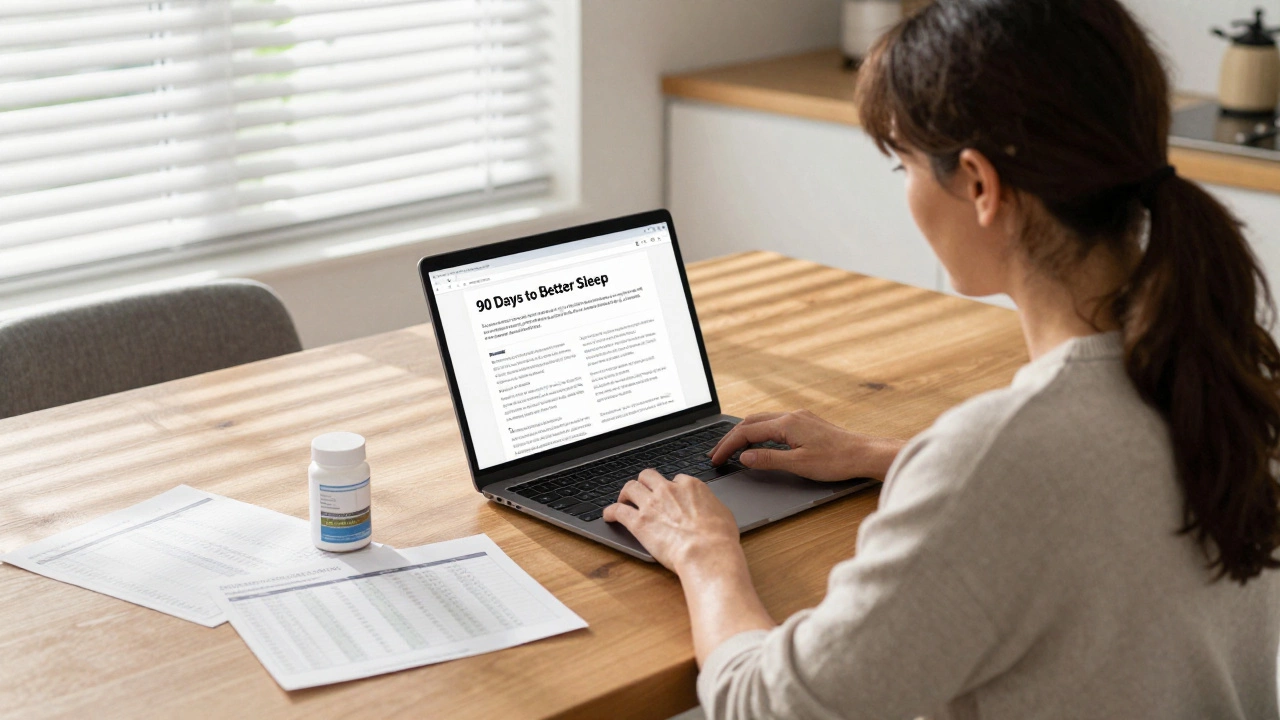
Health isn’t just about losing weight or taking supplements. It’s about sleep, stress, gut health, and mental clarity. People aren’t just looking for quick fixes anymore-they want science-backed, sustainable routines. Google searches for "how to reduce morning anxiety" rose 142% between 2023 and 2025. Searches for "natural remedies for chronic fatigue" grew 89% in the same period.
What works here? Real stories. Not influencers with perfect lighting. Real people tracking their blood sugar for 90 days. Parents managing ADHD without medication. Women over 40 rebuilding their metabolism after menopause. These aren’t fluffy self-help posts. They’re detailed journals with lab results, meal plans, and sleep tracker screenshots.
The monetization? It’s simple. Affiliate links to blood pressure monitors, magnesium supplements, or meditation apps. Digital products like 30-day sleep reset guides. Coaching calls. One blog in Melbourne, Australia, built a $28k/month business selling a $47 PDF on circadian rhythm alignment. No ads. No courses. Just one deep topic, done right.
The Big 3: Personal Finance (for Non-Experts)
Forget stock tips and crypto predictions. The real money in personal finance is in helping people who feel overwhelmed. People who see "budgeting" and think it’s for accountants. People who got hit with a $1,200 medical bill and don’t know where to start.
The winning blogs don’t talk about compound interest. They talk about how to pay off $8,000 in credit card debt without quitting your job. How to negotiate a hospital bill. How to stop living paycheck to paycheck when you earn $55,000 a year in Sydney. One blog, started by a single mom in Adelaide, grew to 400k monthly visitors by publishing "I paid off $23,000 debt in 11 months-here’s exactly what I cut".
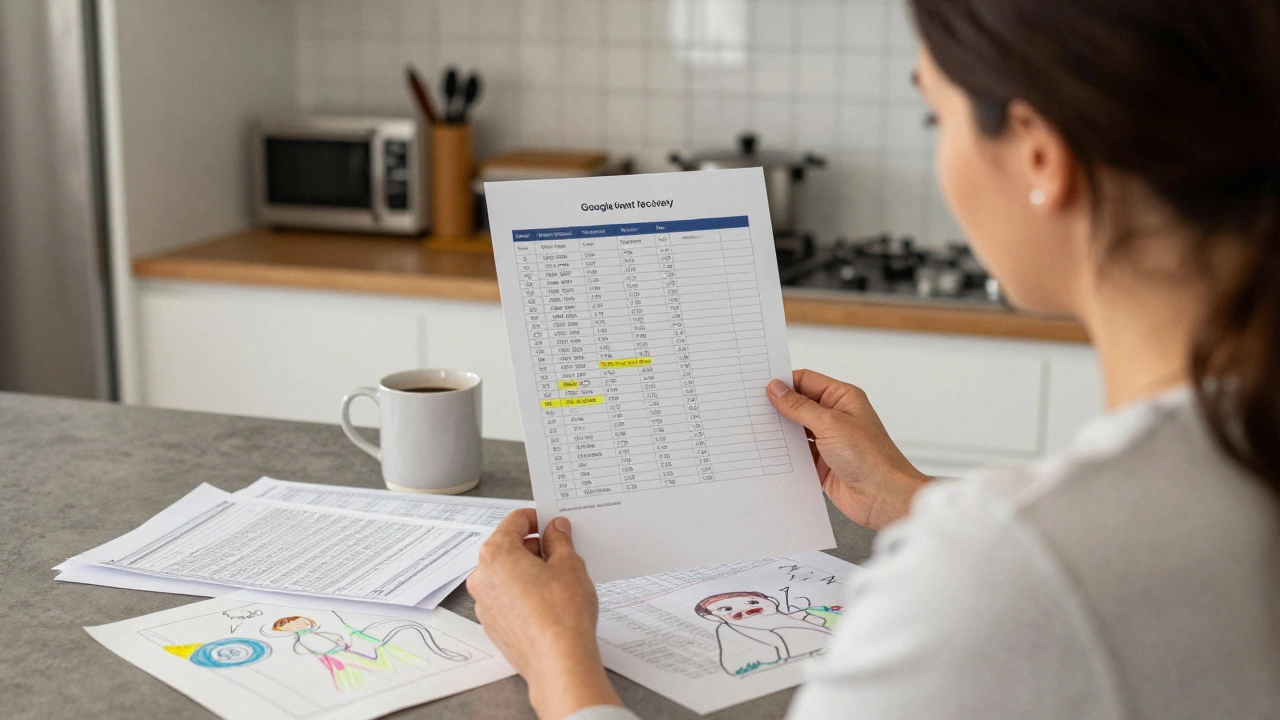
These blogs use simple tools: free budget templates, real bank statements (with numbers blurred), and step-by-step checklists. They don’t sell expensive software. They sell clarity. Their top product? A $29 Google Sheet that auto-calculates debt payoff timelines. It’s not flashy. But it works. And people keep coming back.
The Big 3: Home & Lifestyle (Smart, Simple, Sustainable)
This isn’t about Pinterest-worthy kitchens. It’s about making your home work better-with less effort, less waste, and less money. People are tired of buying stuff. They want to fix, reuse, and simplify.
Top searches? "How to fix a leaky faucet without calling a plumber". "Best reusable coffee pods under $15". "How to keep your house cool in summer without AC". In 2025, Google Trends showed a 200% spike in searches for "DIY home energy audit".
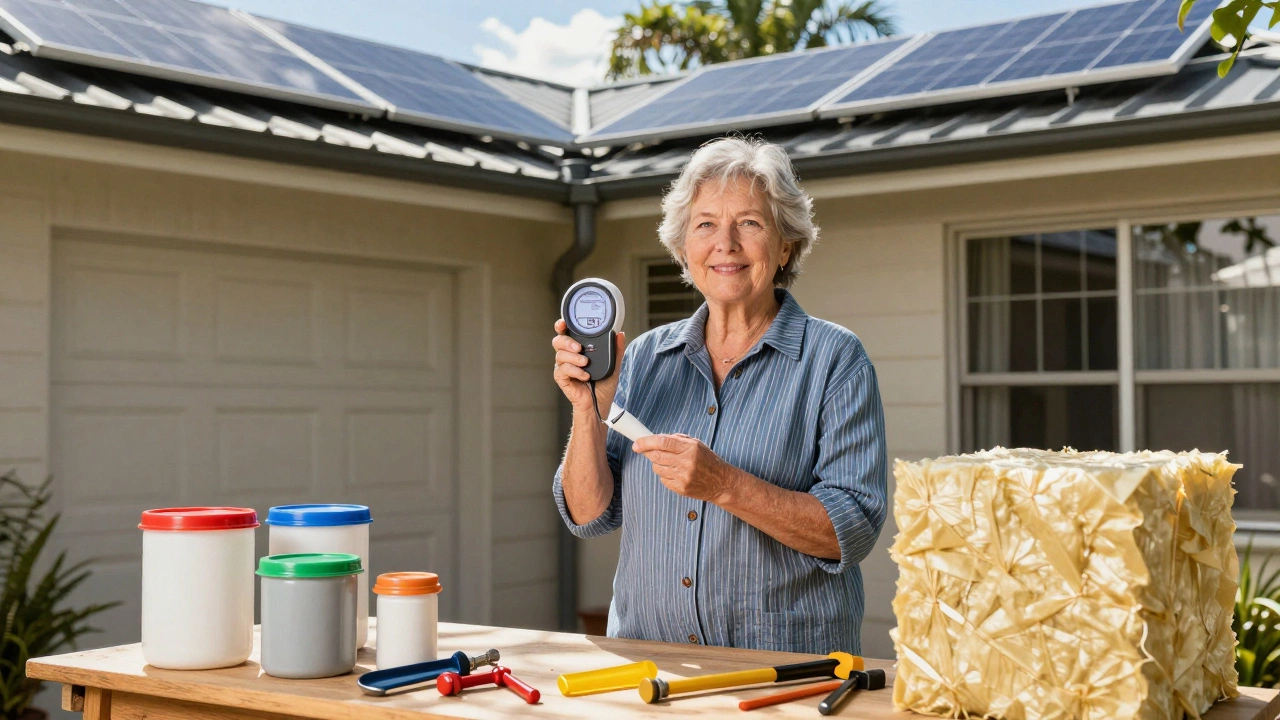
The most successful blogs here are run by people who’ve actually done the work. A retired teacher in Brisbane who turned her 1970s brick home into a net-zero energy house. A single dad in Perth who rebuilt his backyard garden for under $300 using recycled materials. Their content? Photos of their own hands fixing things. Videos of them measuring insulation. Lists of where they bought materials (with prices).
Monetization? Affiliate links to energy meters, reusable containers, or tools from local hardware stores. A $45 printable guide on "100 ways to reduce household waste" sold 12,000 copies in 8 months. No ads. No sponsors. Just trust built through proof.
Why These Three? The Common Thread
Each of these niches shares three things:
- They solve urgent, personal problems. Not "how to look richer"-but "how to pay this bill" or "how to stop feeling exhausted all the time".
- They require proof, not promises. People don’t want opinions. They want screenshots, receipts, and before/after data.
- They’re evergreen. People will always need to sleep better, pay bills, and live in a comfortable home. Trends fade. These don’t.
These aren’t "easy" niches. They demand honesty. They require you to share your real struggles. But that’s exactly why they work. People aren’t looking for perfection. They’re looking for someone who’s been where they are-and made it out.
What Not to Do
Don’t pick a niche just because it’s popular. "Make money online"? Overcrowded. "Fitness for women"? Too broad. "Travel hacks"? Saturated with influencers selling gear.
Don’t chase trends. TikTok might make "plant-based keto snacks" viral this month. But next month? Gone. What lasts is solving a problem that never goes away.
Don’t try to be everything to everyone. A blog about "health, money, and home" sounds smart. But it’s confusing. Google doesn’t know who you’re for. And readers won’t stick around.
How to Start
Step 1: Pick one of the three niches. Don’t pick two. Just one.
Step 2: Find your exact audience. Not "people interested in health". But "women over 45 in Australia with chronic fatigue who hate taking pills".
Step 3: Write one post. Not 10. One. Answer one real question someone asked you. Use your own experience. Include details: dates, prices, names of products, how long it took.
Step 4: Share it where your audience is. Reddit threads. Facebook groups. Local community boards. Not Instagram. Not TikTok. Where the real questions are being asked.
Step 5: Repeat. Every week. For six months. Don’t check traffic. Don’t check income. Just keep showing up with real answers.
That’s it. No fancy tools. No paid ads. Just clarity, consistency, and honesty.
What Comes Next
Once you’ve built trust in one of these niches, the opportunities grow. You can launch a newsletter. Offer coaching. Write an ebook. Build a community. But you don’t need to do any of that to make money. You just need to be the person who answers the question no one else will.
The big 3 niches aren’t about being the loudest. They’re about being the most helpful. And in 2026, that’s still the only thing that matters.
Are the big 3 blog niches still profitable in 2026?
Yes. Health & wellness, personal finance for non-experts, and smart home/lifestyle niches are more profitable than ever in 2026. Why? Because they solve real, ongoing problems people face every day-like sleep issues, debt stress, and rising living costs. These aren’t trends. They’re human needs that won’t disappear. Blogs that focus on detailed, honest, real-life solutions in these areas continue to grow audiences and income steadily.
Can I combine all three big niches into one blog?
Technically, yes. But practically, no. Mixing health, money, and home topics confuses both readers and search engines. People don’t follow blogs that try to be everything. They follow blogs that solve one specific problem really well. If you try to cover all three, you’ll end up with shallow content that doesn’t rank or convert. Pick one. Master it. Then expand later.
Do I need to be an expert to blog in these niches?
No. You don’t need a degree, certification, or years of experience. What you need is honesty and detail. People trust someone who’s been through it-not someone who’s just reading articles. If you’ve paid off debt, improved your sleep, or fixed your own leaky faucet, you have more than enough experience to start. Share your process, your mistakes, your results. That’s what builds trust.
How long does it take to make money from these niches?
Most bloggers see their first income between 6 and 12 months. It’s not instant. But the path is clear: publish one honest, detailed post every week. Focus on solving one specific problem. Build an email list. Offer a low-cost digital product like a checklist or template. The first $100 often comes from selling a $20 PDF. The first $1,000 comes from consistency-not virality.
What’s the easiest way to monetize these niches?
The easiest way is to create a simple digital product-like a printable guide, checklist, or budget tracker-and sell it for $15-$49. Use affiliate links for tools you actually use (like sleep trackers, energy meters, or budgeting apps). Avoid ads. They pay pennies and hurt trust. Your readers aren’t looking for ads. They’re looking for solutions. Give them that, and they’ll pay you directly.