On-Page SEO Analyzer
Analysis Checklist
Google changed its algorithm over a thousand times in the last year alone. If you are writing blog posts and nobody is reading them, it usually isn’t because your content is bad. It’s because Google doesn’t understand what it is or who it is for. You can write the most insightful article on digital marketing, but if the structure is messy, the page loads slowly, or the keywords are missing, you will stay invisible.
Improving SEO for blogs is not about tricking robots. It is about making your content so clear, useful, and accessible that both humans and algorithms know exactly where to place it. In 2026, with AI-generated content flooding the web, the bar for quality and technical precision has never been higher. Here is how you actually move the needle.
Master Keyword Research with Intent in Mind
Most people start keyword research by looking at volume. They see "coffee" has millions of searches and think they should write about it. This is a mistake. High volume often means high competition and vague intent. Instead, focus on search intent. Ask yourself: what does the user want when they type this phrase?
- Informational: The user wants to learn (e.g., "how to brew pour-over coffee").
- Navigational: The user wants a specific site (e.g., "Starbucks login").
- Transactional: The user wants to buy (e.g., "buy best espresso machine").
If you write a buying guide for an informational query, you will fail. Use tools like Google Search Console to find queries where you rank on page two or three. These are low-hanging fruit. Target long-tail keywords-phrases with three or more words-that have lower competition but higher conversion rates. For example, instead of targeting "SEO tips," target "how to improve SEO for small business blogs." This specificity builds topical authority faster than chasing broad terms.
Optimize On-Page Elements for Clarity
Your on-page SEO elements are the signposts that tell Google what your page is about. If these are weak, your content gets lost.
Start with the title tag. This is the blue link users see in search results. Keep it under 60 characters so it doesn’t get cut off. Place your primary keyword near the beginning. Make it compelling. A title like "7 Ways to Boost Traffic" is better than "Traffic Boosting Strategies."
Next, look at your meta description. While this doesn’t directly affect rankings, it affects click-through rate (CTR). Write it as an ad copy. Include the keyword, state the benefit, and add a call to action. Aim for 150-160 characters.
Structure your content with proper heading tags. Use one H1 for the main title. Use H2s for major sections and H3s for subsections. This hierarchy helps search engines parse your content logically. Do not skip levels (e.g., jumping from H2 to H4). Inside these headings, include related keywords naturally. Never force them. If it sounds robotic to a human, it will be flagged as poor quality by algorithms.
| Element | Best Practice | Why It Matters |
|---|---|---|
| Title Tag | Under 60 chars, keyword first | Primary ranking signal + CTR |
| H1 Heading | One per page, matches title | Defines page topic |
| Meta Description | 150-160 chars, persuasive | Increases clicks from SERPs |
| URL Slug | Short, readable, includes keyword | User experience + minor ranking factor |
| Image Alt Text | Descriptive, context-aware | Accessibility + image search traffic |
Build Topical Authority Through Content Clusters
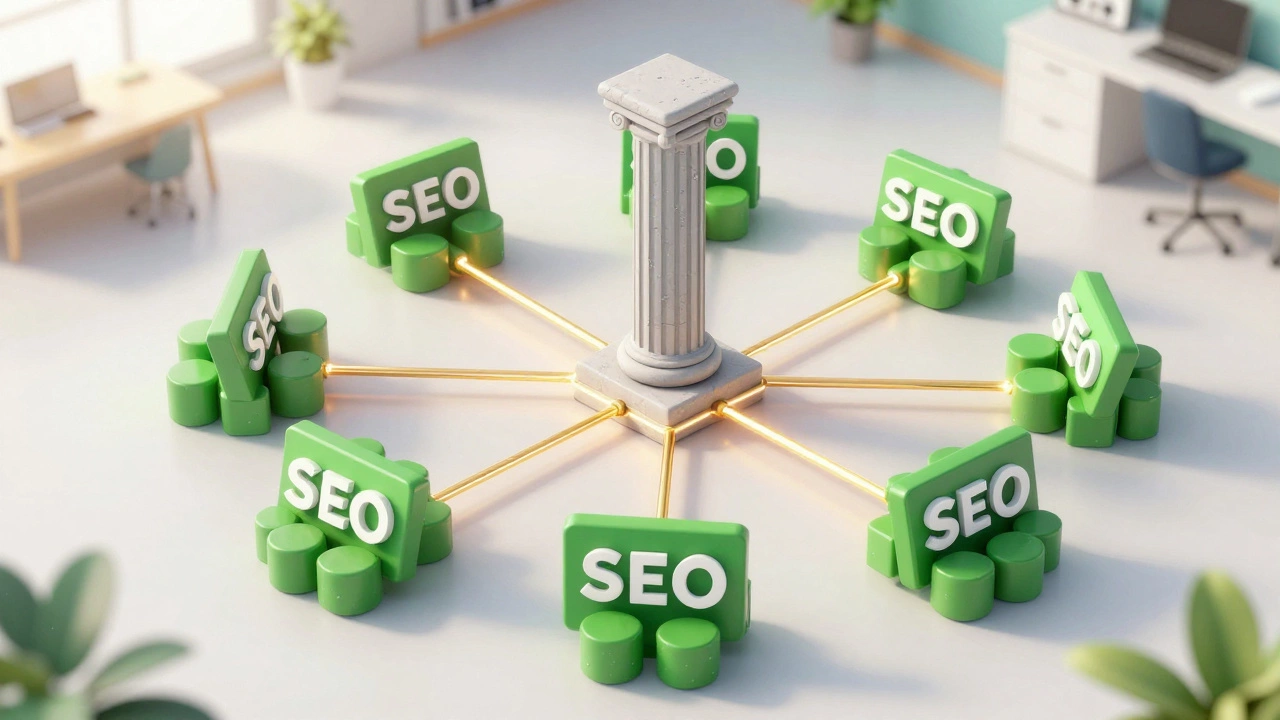
In 2026, Google rewards expertise, not just keywords. This is where topical authority comes in. Instead of writing random posts, create content clusters. Pick a core topic (pillar page) and write several supporting articles (cluster content) that link back to it.
For example, if your pillar page is "Ultimate Guide to Email Marketing," your cluster posts could be:
- "How to Write Subject Lines That Get Opened"
- "Best Email Automation Tools for 2026"
- "Segmenting Your Audience for Higher Conversions"
Link all these posts to the pillar page, and link the pillar page to each post. This creates a semantic web that tells Google you are an expert in this niche. It also keeps users on your site longer, reducing bounce rates. Depth beats breadth. Ten well-researched, interlinked posts on a specific subtopic will outperform fifty shallow posts on general topics.
Fix Technical SEO Issues Immediately
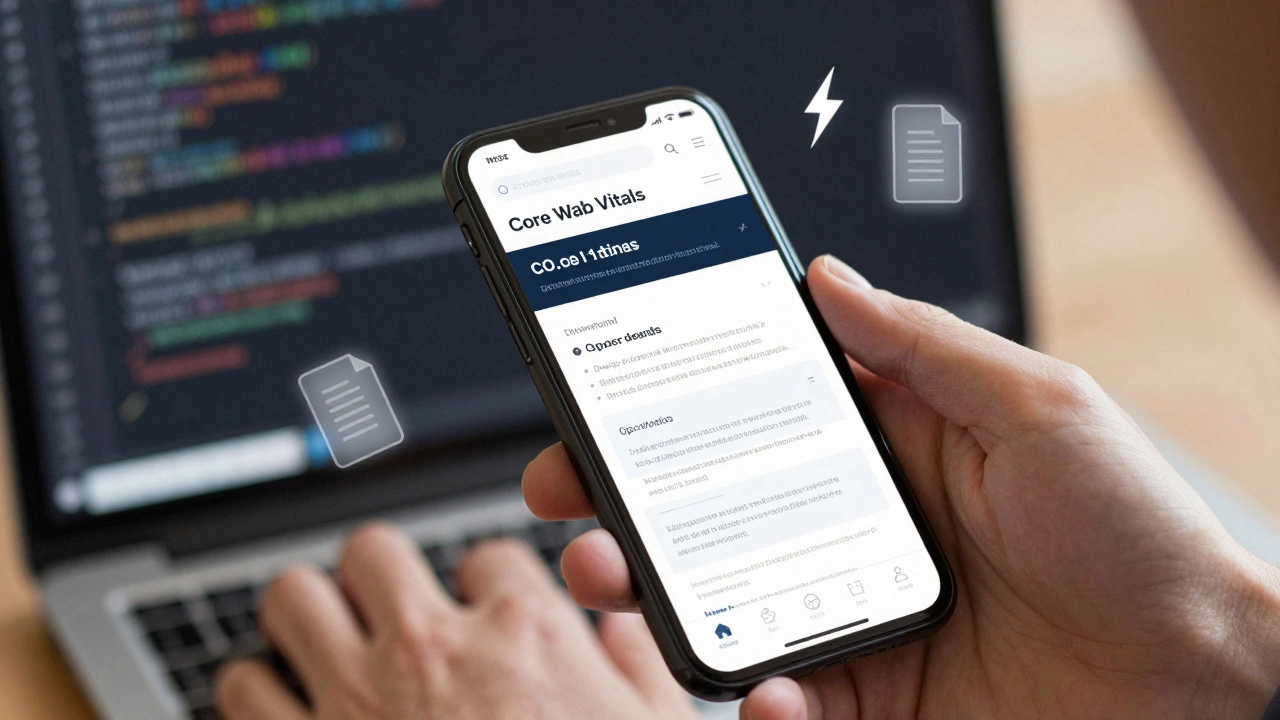
You can have the best content in the world, but if your site is technically broken, you won’t rank. Technical SEO is the foundation. Start with speed. Google uses Core Web Vitals as a ranking factor. If your Largest Contentful Paint (LCP) is over 2.5 seconds, you are losing traffic. Compress images using WebP format. Minify CSS and JavaScript. Use a reliable hosting provider.
Ensure your site is mobile-friendly. Most users browse on phones now. If your text is too small or buttons are hard to tap, Google will penalize you. Use responsive design. Test your site on actual devices, not just desktop simulators.
Create and submit an XML sitemap to Google Search Console. This file lists all your important pages, helping crawlers find and index them. Update it whenever you publish new content. Also, check for crawl errors. Broken links (404 errors) waste crawl budget and frustrate users. Fix them or redirect them to relevant pages.
Leverage Internal Linking Strategically
Internal linking is one of the most underrated SEO tactics. It distributes page authority throughout your site. When you link from a high-authority page to a newer post, you pass some of that "link juice" along. This helps the new page rank faster.
Use descriptive anchor text. Don’t use "click here." Use "learn more about keyword research strategies." This gives context to both users and search engines. Aim to link to 3-5 relevant internal pages per post. But keep it natural. If every sentence has a link, it looks spammy. Prioritize linking to older, evergreen content to keep it fresh in Google’s eyes.
Earn Quality Backlinks Naturally
Backlinks are votes of confidence from other sites. One link from a reputable industry publication is worth more than a hundred links from low-quality directories. Focus on earning links, not buying them. How? Create link-worthy assets.
These could be original research, comprehensive guides, or unique data visualizations. Reach out to journalists and bloggers who cover your niche. Offer your content as a resource for their articles. Guest posting on authoritative sites is another effective method. Just ensure the host site is relevant and has good domain authority. Avoid link farms and automated outreach tools that send generic messages. Personalization works.
Monitor and Adapt with Data
SEO is not a set-and-forget task. You must monitor performance. Use Google Analytics to track organic traffic, bounce rate, and time on page. Use Google Search Console to monitor impressions, clicks, and average position. Look for trends. If a post suddenly drops in traffic, investigate. Did Google change its algorithm? Did a competitor publish a better article? Update your content to reflect new information. Freshness matters. Regularly updating old posts with new data and insights can revive dead traffic.
Don’t ignore negative feedback. If users leave comments saying the content is outdated or inaccurate, fix it immediately. User satisfaction signals are increasingly important in ranking algorithms.
How long does it take to see results from blog SEO?
It typically takes 3 to 6 months to see significant organic traffic growth from new SEO efforts. However, technical fixes like improving site speed or fixing broken links can yield quicker improvements in crawlability and indexing. Consistency is key; SEO is a long-term strategy, not a quick fix.
Is keyword density still important in 2026?
No, strict keyword density is largely obsolete. Modern algorithms focus on semantic meaning and user intent. Instead of repeating a keyword 2% of the time, focus on using synonyms, related terms, and answering the user's question comprehensively. Natural language processing allows Google to understand context without forced repetition.
What is the best way to optimize images for SEO?
Compress images to reduce file size without losing quality (use WebP format). Always include descriptive alt text that includes relevant keywords if appropriate. Name your image files clearly (e.g., "seo-checklist.jpg" instead of "IMG_123.jpg"). This helps with accessibility and image search rankings.
Should I focus on long-form or short-form content?
Long-form content (1,500+ words) generally performs better for competitive keywords because it allows for deeper coverage and more internal linking opportunities. However, match the length to the intent. Quick answers may require shorter posts, while complex topics need comprehensive guides. Quality and relevance matter more than word count alone.
How do I handle duplicate content on my blog?
Avoid publishing identical content on multiple URLs. If you have similar posts, consolidate them into one strong piece and redirect the old URLs to the new one using 301 redirects. Use canonical tags to tell search engines which version is the primary one. This prevents dilution of ranking power and confusion for crawlers.