Website Cost Estimator
Estimate Your Small Business Website Cost
Get a realistic estimate based on your business needs, features, and location
Your Estimated Cost
Your website will cost approximately $0
This estimate includes all essential features for your business
If you're running a small business and thinking about getting a website, you're not alone. Over 80% of Australian customers look online before buying from a local business. But the big question isn’t just whether you need one-it’s how much it’ll actually cost. The answer isn’t a single number. It could be $300 or $10,000. And the difference? It’s not about fancy design. It’s about what your business actually needs.
Basic Website: Under $500
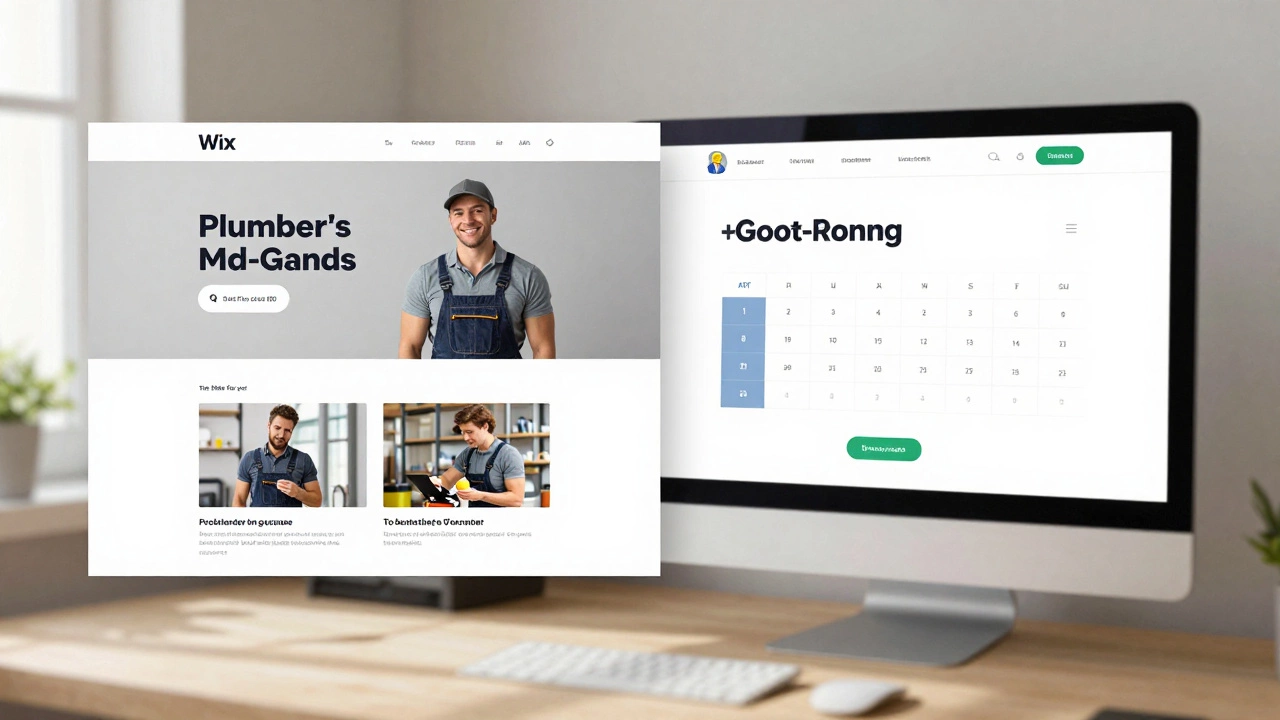
This is for the simplest case: a local plumber, hairdresser, or handyman who just needs to show up online. You want your name, phone number, services, and maybe a photo or two. No online booking. No blog. No fancy animations.
With a platform like Wix, Squarespace, or WordPress.com, you can build this yourself in a weekend. Templates are drag-and-drop. You pick one, swap out the text, upload your photos, and hit publish. Hosting and domain name? Around $100 a year total. Some platforms bundle it all for $15-$30 a month.
But here’s the catch: you’ll need to learn how to update it. If you’re not tech-savvy, you might end up paying someone $50-$150 to fix a broken link or add a new service. That’s fine if you only need updates twice a year. But if you’re adding new products or blog posts monthly, this can add up.
Mid-Range Website: $1,000-$3,500
This is where most small businesses land. You need more than a brochure. You want online booking, a contact form that actually works, Google Maps integration, and maybe a simple online store for one or two products. You also want it to look professional-not like a template someone else used last week.
At this level, you hire a freelance web designer or a small local agency. They’ll ask you questions: Who’s your customer? What do you want them to do when they land on your site? Do you want to collect emails? Track visits? This matters. A good designer doesn’t just build pages-they build a system that works for your business.
They’ll use WordPress with a custom theme (not a free one from ThemeForest). They’ll set up contact forms with spam protection. They’ll connect your site to Google Analytics and Google Business Profile. They’ll make sure it loads fast on phones. All of that takes time. And time costs money.
In Sydney, a solid mid-range site from a local freelancer runs $1,800-$3,200. That includes the design, setup, training, and 30 days of support. You get full ownership. You can change content yourself. And your site will rank better in Google because it’s built right from the start.
Advanced Website: $4,000-$10,000+
This is for businesses that sell online, manage appointments, or need custom tools. Think a boutique fitness studio with class schedules, payment plans, and member portals. Or a bakery that takes custom cake orders with photo uploads. Or a service business that needs a CRM built into the website.
At this level, you’re not just buying a website. You’re buying software. Developers write custom code. They integrate with tools like Calendly, Stripe, or Mailchimp. They build forms that calculate prices based on options. They make sure everything works across devices, browsers, and even old phones.
These sites take 6-12 weeks to build. You’ll need to provide clear specs. A vague request like “I want a website like my competitor” won’t cut it. You need to list every feature: How many products? How many user roles? Do customers need to log in? What happens after they pay?
Costs vary wildly. A custom WooCommerce store with 50 products and booking features might cost $6,000. A full customer portal with dashboards and automated emails? $9,000. Don’t expect this to be cheap. But if it brings in 20 more customers a month, it pays for itself in weeks.
What You’re Really Paying For
Most people think they’re paying for design. They’re not. They’re paying for:
- Time-A good designer spends hours understanding your business before touching a single pixel.
- Experience-They’ve seen what breaks. They know which plugins slow down sites. They know how to avoid Google penalties.
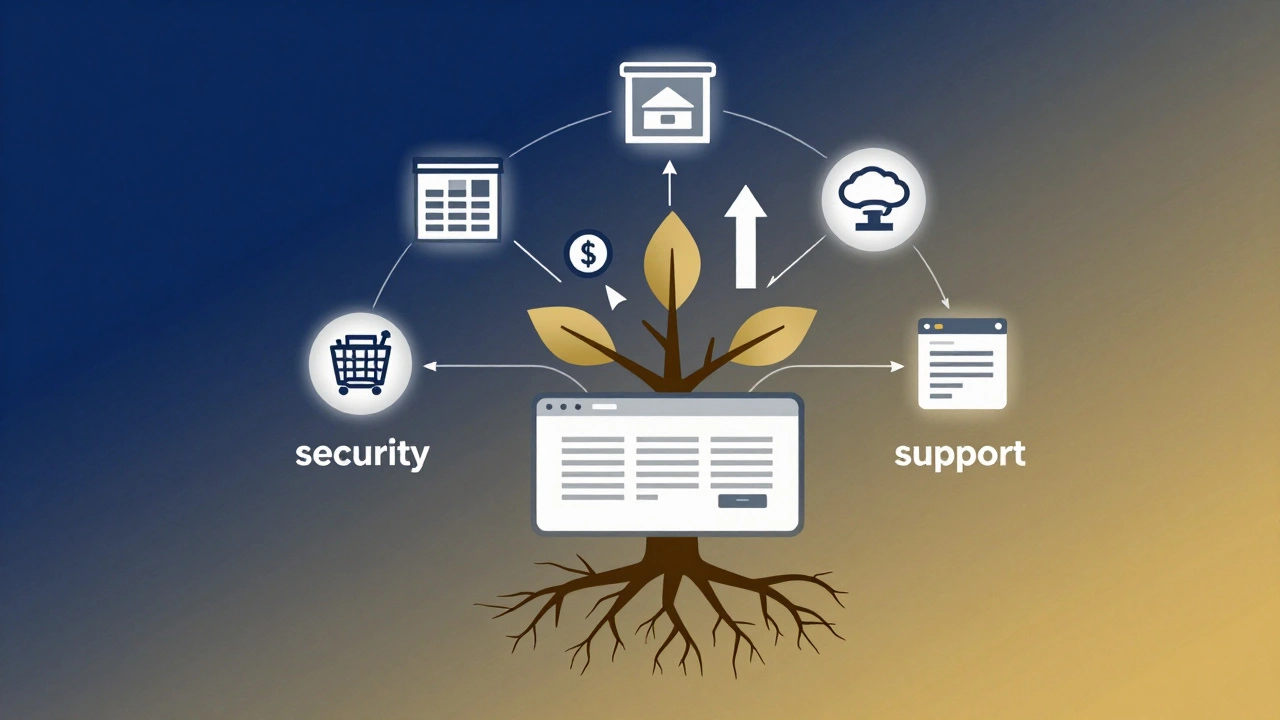
- Support-What happens when your site goes down? Who fixes it? Cheap sites often leave you on your own.
- Scalability-Can your site handle 10x more traffic? Can you add new services without rebuilding everything?
Think of it like buying a car. A $15,000 used sedan gets you from A to B. A $40,000 new model has better safety, fuel efficiency, and resale value. The website is the same. You’re not just paying for looks. You’re paying for reliability, growth, and peace of mind.
Hidden Costs People Forget
There’s always something you didn’t plan for.
- SSL Certificate-Free now on most hosts, but older sites might still pay $50-$100/year.
- Content Creation-Writing product descriptions, taking photos, recording videos. If you don’t do it, hire a copywriter or photographer. Budget $300-$1,000.
- SEO Setup-A good designer will optimize titles and meta tags. But ongoing SEO? That’s a separate service. Expect $200-$800/month if you want traffic.
- Updates & Security-WordPress plugins, themes, and core files need updates. A hacked site costs thousands to fix. Pay $50-$150/month for maintenance.
- Training-If you’re not tech-savvy, get a 30-minute walkthrough. Don’t assume you’ll figure it out. Most people don’t.
One client in Bondi paid $1,200 for a website. Six months later, her site was hacked because she didn’t update plugins. She paid $2,000 to clean it up and rebuild it. That’s not a cost-it’s a mistake.
What Not to Do
Don’t go to Fiverr and buy a $50 website. You’ll get a template that looks like every other bakery in Australia. Your site will be slow. It won’t work on phones. Google will rank you low. And if something breaks? No one will help you.
Don’t choose based on price alone. The cheapest option is almost always the most expensive in the long run.
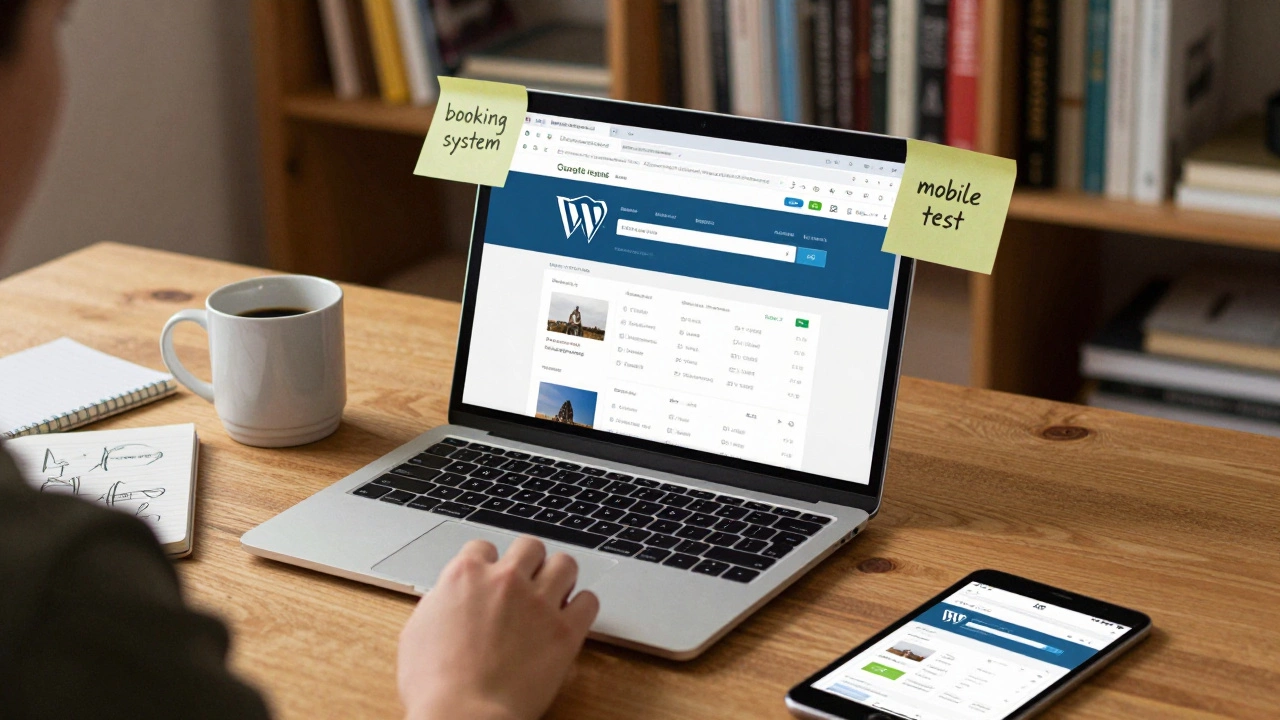
Don’t skip mobile testing. Half your customers will find you on their phone. If your site looks broken on iOS or Android, you’re losing sales.
Don’t ignore loading speed. If your site takes more than 3 seconds to load, 53% of visitors leave. That’s not opinion-it’s data from Google.
How to Get the Best Value
Here’s how to avoid overpaying and get a site that actually works:
- Write down your goals. What do you want the website to do? Get calls? Sell products? Collect emails?
- Look at 3-5 local competitors. What do their sites do well? What’s missing?
- Ask for a breakdown. A good designer will show you exactly what’s included: hours, tools, support, revisions.
- Ask for a 30-day guarantee. If something breaks, they fix it for free.
- Get access to everything. Your domain, hosting, and admin panel should be in your name-not theirs.
Most small business owners who follow this process end up with a site that costs $2,000-$3,500. It’s not the cheapest. But it’s the one that actually brings in customers.
Final Thoughts
Your website isn’t a bill. It’s an employee. It works 24/7. It answers questions. It closes sales. It builds trust.
Investing $2,500 in a solid website is cheaper than hiring a part-time sales rep. And it lasts for years. A bad website? It’s like having a shop with a broken sign. People drive past. You never know why.
Don’t wait until you’re losing customers to online competitors. Build it right the first time. It’s not about being fancy. It’s about being found, trusted, and chosen.
Can I build a small business website for under $500?
Yes, but only if you’re okay with a basic brochure site using a website builder like Wix or Squarespace. You’ll need to handle updates yourself. It won’t include custom features like booking systems, online payments, or advanced SEO. This works for service providers who rarely change their offerings, like a local plumber or hair salon with fixed services.
Do I need a custom website or can I use a template?
Templates work for simple sites, but custom design gives you better performance, branding, and SEO. A template site often looks like dozens of others, which hurts trust. Custom sites are built for your audience’s needs-not just aesthetics. If you’re selling products, taking bookings, or want to rank higher in Google, custom is worth the extra cost.
How long does it take to build a small business website?
A basic site can be done in 1-2 weeks. A mid-range site with booking or e-commerce features takes 4-8 weeks. Complex sites with custom tools or integrations can take 3-6 months. The timeline depends on how clear your requirements are and how fast you provide content like photos, text, and logos.
What’s the most expensive part of building a website?
It’s not the design-it’s the planning and development time. Custom features like booking systems, payment gateways, user accounts, and data integrations require coding and testing. This is where most of the cost comes from. Content creation and ongoing maintenance are also major expenses people underestimate.
Should I pay monthly for website maintenance?
Yes, if you want your site to stay secure and fast. WordPress sites need regular updates to plugins and themes. Outdated software is the #1 reason sites get hacked. Monthly maintenance ($50-$150) includes backups, updates, security scans, and speed checks. It’s cheaper than paying $2,000+ to recover from a hack.
Can I upgrade my website later if my business grows?
Absolutely. A well-built website uses scalable platforms like WordPress with clean code. You can start with a simple site and add features later-like an online store, booking system, or blog. The key is choosing a developer who builds with growth in mind, not just a quick fix.
Start with what you need now. Plan for what you’ll need next year. Your website should grow with your business-not hold it back.